I know the rush to get to an 8 a.m. lecture with a heavy backpack. Busy mornings make it easy to skip breakfast. But, a quick, healthy meal can help you stay focused all day.
This guide has fast, easy meals for students. You’ll find grab-and-go options, simple recipes, and affordable ideas. Try overnight oats, egg muffins, and smoothie packs for make-ahead meals. For quick choices, try hard-boiled eggs and yogurt parfaits.
Trying these healthy breakfasts can give you more energy and better focus. You’ll snack less in the morning. These quick meals are low in sugar, easy to make, and perfect for campus life.
Key Takeaways
- Breakfast fuels energy and focus—don’t skip it on busy campus mornings.
- Quick breakfasts for college students include grab-and-go and make-ahead options.
- Easy breakfast recipes can be low-cost and high in protein, fiber, and healthy fats.
- Make-ahead tools like overnight oats, egg muffins, and frozen smoothie packs save time.
- Small swaps—Greek yogurt, nuts, or whole-grain bread—boost nutrition without extra prep.
Why breakfast matters for busy students
Mornings on campus can be crazy. A quick, healthy breakfast helps you tackle long days. Eating well in the morning makes you more alert and focused.
The role of breakfast in energy, focus, and productivity
Breakfast gives your brain the glucose and nutrients it needs after sleep. I pick foods with protein and fiber to keep my energy up. Oats, eggs, and smoothies are great for staying focused and doing well on exams.
Common reasons students skip breakfast and how to fix them
Many students skip breakfast because they’re in a hurry. I avoid this by preparing simple meals the night before.
Some think breakfast is too expensive or they don’t have a good place to eat. I buy affordable items like oats, frozen fruit, and yogurt. Dorm cooking tips from peers help make the most of limited space.
How a morning meal can save time and improve efficiency
Make-ahead breakfasts save me time. Overnight oats, egg muffins, and smoothie packs are quick and easy. They give me energy without taking up too much time.
When planning breakfast, I look for things that are easy to take with me. This keeps me focused and helps me avoid buying unnecessary things.
| Barrier | Student-friendly breakfast ideas | Quick fix |
|---|---|---|
| Not enough time | Overnight oats, smoothies, grab-and-go yogurt bowls | Prep jars or freezer smoothie packs night before |
| Limited kitchen access | Hard-boiled eggs, nut butter and whole-grain toast, instant oats | Batch-cook eggs or keep microwave-ready oats in the room |
| Budget concerns | Bulk oats, frozen fruit, eggs, canned beans | Buy in bulk and portion into weekly servings |
| Poor appetite in morning | Light smoothie, yogurt with granola, fruit and nut mix | Start with a small liquid option and add protein later |
| Need sustained energy | Egg-based dishes, Greek yogurt bowls, oats with seeds | Add protein and fiber to avoid mid-morning slump |
Quick breakfasts for college students
I have a list of quick breakfasts for students that fit dorm life and early classes. These options are fast and don’t use sugary foods. They work with a microwave, mini-fridge, or just a toaster.
What qualifies as a “quick” student breakfast
A quick breakfast takes less than five minutes to make. It avoids processed foods and candy-like bars. Instead, it focuses on whole ingredients for morning energy.
Balancing speed with nutrition and satiety
I aim for protein, fiber, and healthy fats in my meals. Eggs, Greek yogurt, or nut butter keep me full. Fiber from oats, fruit, or whole-grain toast helps keep energy up.
Pairing fast items makes them feel more filling. For example, a banana with peanut butter or a yogurt cup with granola and berries is a complete breakfast.
Examples of grab-and-go choices that meet dietary needs
Here are simple breakfast options I rely on. They use basic gear and store well in a dorm fridge or backpack. They’re also great on-the-go snacks for busy days.
| Quick Option | Why it works | Prep / Storage |
|---|---|---|
| Microwave oatmeal with nut butter | Whole-grain oats provide fiber; nut butter adds protein and fat for satiety | Cook in 2 minutes; portion oats in jars for the week |
| Hard-boiled eggs and fruit | High-protein, portable, minimal equipment needed | Batch-cook 6–12 eggs on Sunday; refrigerate up to one week |
| Greek yogurt, nuts, and berries | Protein-rich and customizable for dietary needs | Assemble in a cup; keep toppings separate to stay crisp |
| Peanut butter and banana toast | Fast, low-cost, balanced with carbs and protein | Toast quickly; swap almond or sunflower butter for allergies |
| Frozen smoothie packs | Blend-and-go with controlled portions of fruit and greens | Bag single servings; toss in a blender bottle or small blender |
| Egg muffins or egg bites | Make-ahead protein that reheats in a minute | Bake in muffin tin, freeze extras, microwave to reheat |
| Homemade granola or energy balls | Low-sugar, nutrient-dense on-the-go breakfast snacks | Mix oats, nut butter, seeds; roll into balls and refrigerate |
| Whole-grain bagel with turkey and greens | Heartier option with lean protein and produce | Assemble night before for a grab-and-go sandwich |
Overnight oats: make-ahead oatmeal for on-the-go mornings
I turn to overnight oats when mornings are busy. They’re perfect for shared kitchens, small fridges, and tight budgets. Making jars ahead means I always have a tasty option.
I keep recipes simple for quick grabs between classes. Oats are cheap, full of fiber, and keep me full. With smart prep, they’re a low-sugar, affordable breakfast choice.
Why this works for busy students
I make several jars at once and store them in the dorm fridge. This saves time and reduces waste. The variety of oats keeps my breakfasts interesting.
Basic recipe with protein and topping ideas
My basic mix is 1/2 cup oats, 1/2 cup milk, 1/3 cup Greek yogurt, and 1 tablespoon chia seeds. I add vanilla protein powder for extra protein. Toppings like blueberries, peanut butter, or banana add texture.
Flavor and nutrient variations
For savory, I use cottage cheese, add cucumber, and pepper. Ground flaxseed boosts omega-3s. I try new flavors like cocoa-peanut butter or mango-coconut.
I make five jars on Sunday and change toppings each day. This makes overnight oats a consistent, affordable choice. They’re a favorite among quick breakfasts for college students.
Smoothie bowls and smoothies: fast fruit and veggie power
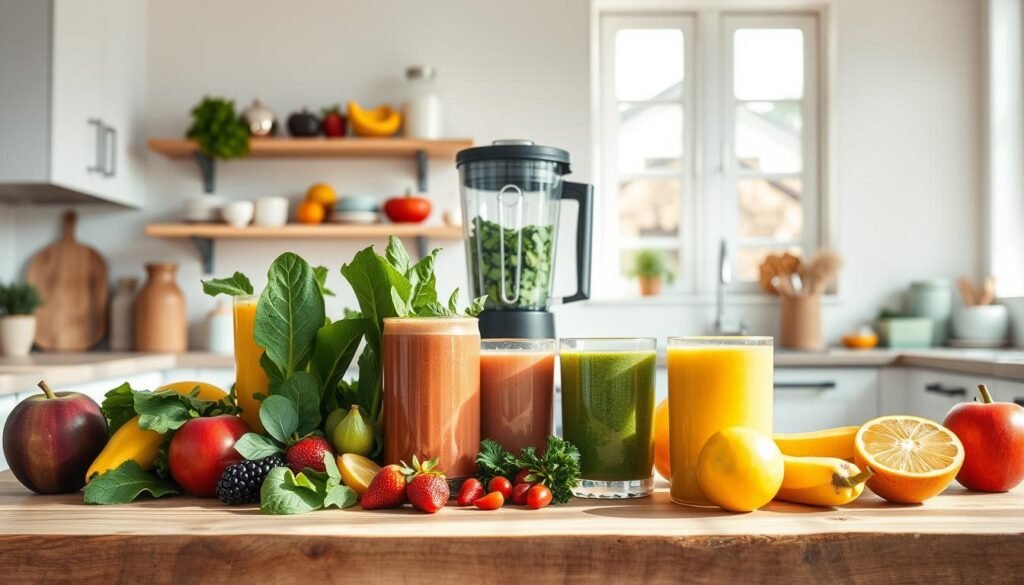
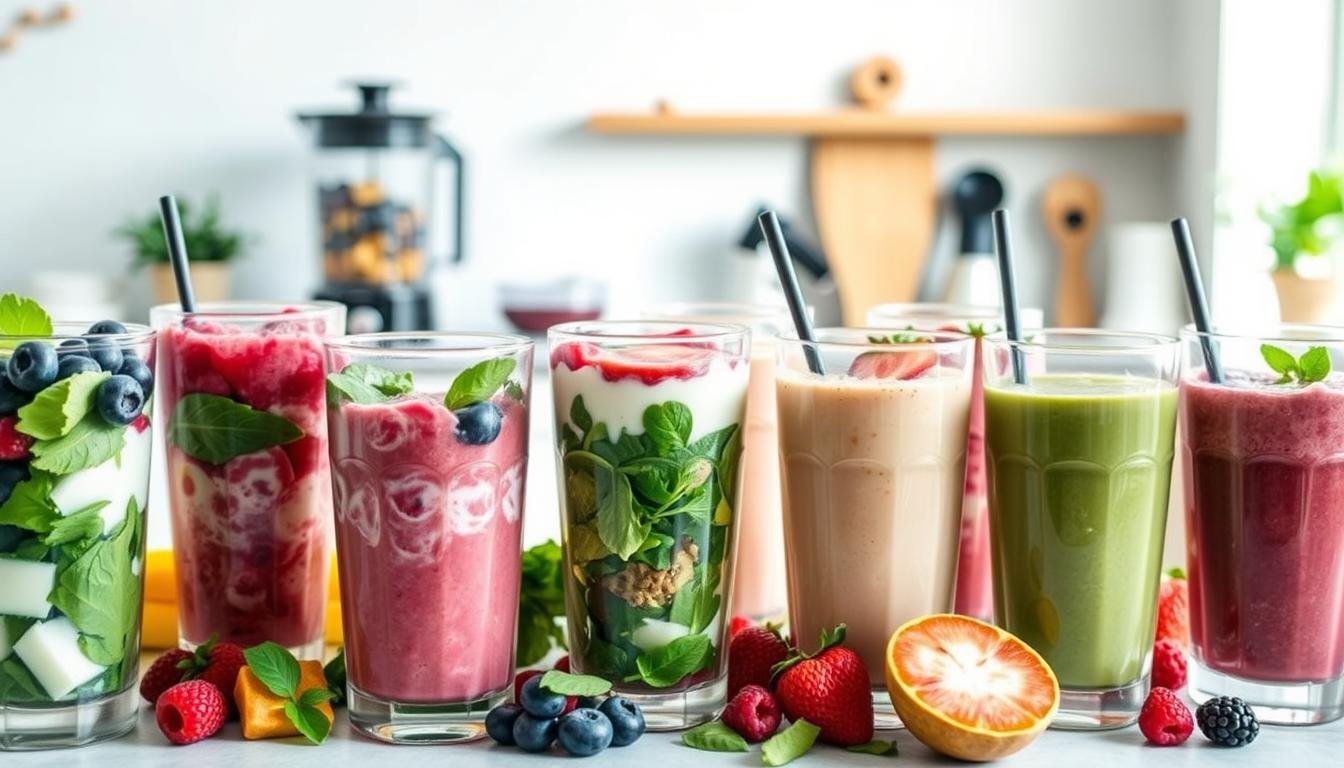
I make mornings easy with smoothies that are tasty and energizing. Smoothie recipes help me mix fruit, greens, and protein into one cup. They’re perfect for students who need a quick, healthy breakfast.
Blend-and-go smoothie recipe for college mornings
I start with 1 cup mixed fruit, 1 cup milk, 1/2 cup orange juice, 1/2 cup vanilla yogurt, and 1 tablespoon honey. Then, I add a handful of spinach. It blends in a minute and goes into a bottle for on-the-go.
How I add protein and fiber without losing portability
For more protein, I add a scoop of whey or peanut butter. Hemp seeds and chia seeds add fiber without changing the taste. Greek yogurt makes it creamier, but it’s always pourable.
Meal-prep tips: frozen smoothie packs and storage
I make frozen smoothie packs on Sundays. I put fruit, spinach, and extras in freezer bags. Each morning, I just add liquid and blend.
Some days, I make smoothies the night before. I store them in a sealed bottle in the fridge. This makes mornings easy.
I use local deals for frozen berries and store-brand spinach. Dorm-friendly blenders like NutriBullet or Hamilton Beach make it simple. These steps make smoothies practical for students and a quick breakfast option.
Egg muffins and egg bites: protein-packed make-ahead options
I turn to egg-based meals when mornings are rushed. Egg muffins and egg bites offer a protein boost and stay fresh for days. They’re perfect for easy breakfasts and fit well into a college student’s schedule.
Simple egg muffin recipe with vegetables and cheese
I mix 8 eggs with 1/4 cup milk. Then, I add one cup of chopped spinach, half a cup of diced bell pepper, and 1/2 cup shredded cheddar. I season it with salt, pepper, and a pinch of garlic powder.
I pour the mix into a greased muffin tin and bake at 350°F for 18–20 minutes. This recipe makes about 12 muffins. They’re great for grabbing on the go or with whole-grain toast.
How to bake, freeze, and reheat for weekday breakfasts
I cool baked egg bites on a wire rack before storing them. For up to five days, I keep them in the fridge. For longer storage, I freeze them in a single layer on a tray, then in a zip-top bag.
To reheat, I microwave a frozen muffin for 60–90 seconds. Or, I warm a thawed muffin for 30–45 seconds. If I have a toaster oven, I crisp them at 325°F for 8–10 minutes.
Affordable ingredient swaps and dietary variations
I often use frozen vegetables to save money and extend shelf life. I also swap shredded mozzarella or Colby Jack for cheddar when it’s pricier. For a low-fat version, I add cottage cheese or Greek yogurt.
For dairy-free options, I choose plant-based cheese and add chopped tomato or mushrooms. I also mix in cooked quinoa or canned black beans for extra fiber. These swaps keep meals healthy and budget-friendly, even in dorm kitchens.
| Step | Time | Why it matters |
|---|---|---|
| Prep vegetables and cheese | 10 minutes | Chopping in advance speeds assembly and ensures consistent portions |
| Mix eggs and add-ins | 5 minutes | Simple mixing prevents overworking eggs and keeps muffins tender |
| Bake in muffin tin | 18–20 minutes | Standard time fits most student schedules and standard ovens |
| Cool and store | 15 minutes cooling; fridge 5 days; freezer 3 months | Cooled eggs hold texture; freezing extends meal-prep reach |
| Reheat options | Microwave 30–90s; toaster oven 8–10m | Fast reheating gets breakfast on the table between classes |
Avocado toast and toast-based breakfasts: simple and satisfying
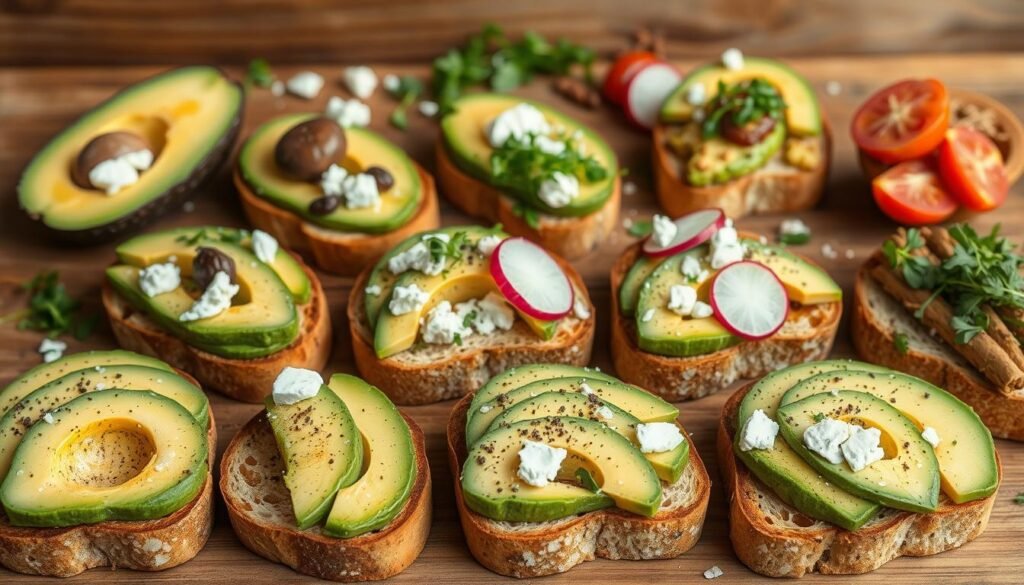
I use toast as a quick canvas in the morning. It’s perfect for adding protein, healthy fats, and fiber fast. I always have whole-grain bread, peanut butter, canned beans, and hummus ready.
I focus on textures and feeling full for breakfast. Seeds, a soft egg, or canned tuna add protein. Black beans or ricotta make it creamy and fiber-rich without extra work.
When an avocado is ripe, I mash it with lemon and salt. If it’s not ripe, I use chickpeas or hummus instead. Nut butter with banana and raisins is a sweet, reliable choice.
Quick prep is key. I toast while making coffee, then add toppings. For eggs, I microwave a beaten egg in a mug for 45–60 seconds. Roasting chickpeas or boiling eggs once a week helps speed up prep.
Here are some topping combos that are tasty and filling. They’re great for when I need a quick breakfast.
| Base | Protein & Satiety Boost | Flavor Add-ons | Prep Time |
|---|---|---|---|
| Whole-grain toast + mashed avocado | Poached or sliced hard egg | Red pepper flakes, lemon zest | 5 minutes |
| Toasted pita + hummus | Canned chickpeas, smashed | Sumac, chopped parsley | 4 minutes |
| Sourdough + ricotta | Smoked salmon or turkey slices | Capers, cracked black pepper | 5 minutes |
| Multigrain toast + peanut butter | Sliced banana (fiber adds satiety) | Raisins, cinnamon | 3 minutes |
| Toasted bagel thin + mashed beans | Low-fat cottage cheese | Chopped tomato, basil | 6 minutes |
Grab-and-go options: hard-boiled eggs, yogurt, and bars
I keep some quick breakfast snacks in my fridge and freezer. These snacks are full of protein, fiber, and energy. They’re easy to make and won’t break the bank.
How I batch-cook hard-boiled eggs for the week
I put eggs in a single layer in a saucepan. Then, I add cold water and a pinch of salt. I boil it, then turn the heat down for 2 minutes.
Next, I remove the pan from the heat and cover it. I let the eggs sit for 20 minutes. After that, I cool them in cold water to stop cooking.
I peel and use what I need. The rest stays in the fridge for up to five days. This way, I always have protein for breakfast or snacks.
Greek yogurt bowls and portable parfait ideas
I make parfaits with Greek yogurt, berries, and nuts. This mix keeps me full and adds calcium and probiotics.
In my dorm, I layer yogurt in mason jars. I top it with fruit and granola just before eating. It’s a simple way to make a balanced meal that’s easy to take on the go.
Homemade granola bars and energy balls for convenience and savings
I make granola bars and energy balls with oats, nut butter, seeds, and honey. I freeze them in individual wraps. They’re quick to thaw and stay fresh.
These homemade snacks save money and let me control what goes into them. They’re perfect for busy mornings when I need a quick breakfast.
Toast variations, bagels, and sandwiches for a heartier start

I make hearty starts that fit tight schedules and budgets. I use simple steps and smart make-ahead ideas. This way, mornings are calm, no matter the kitchen.
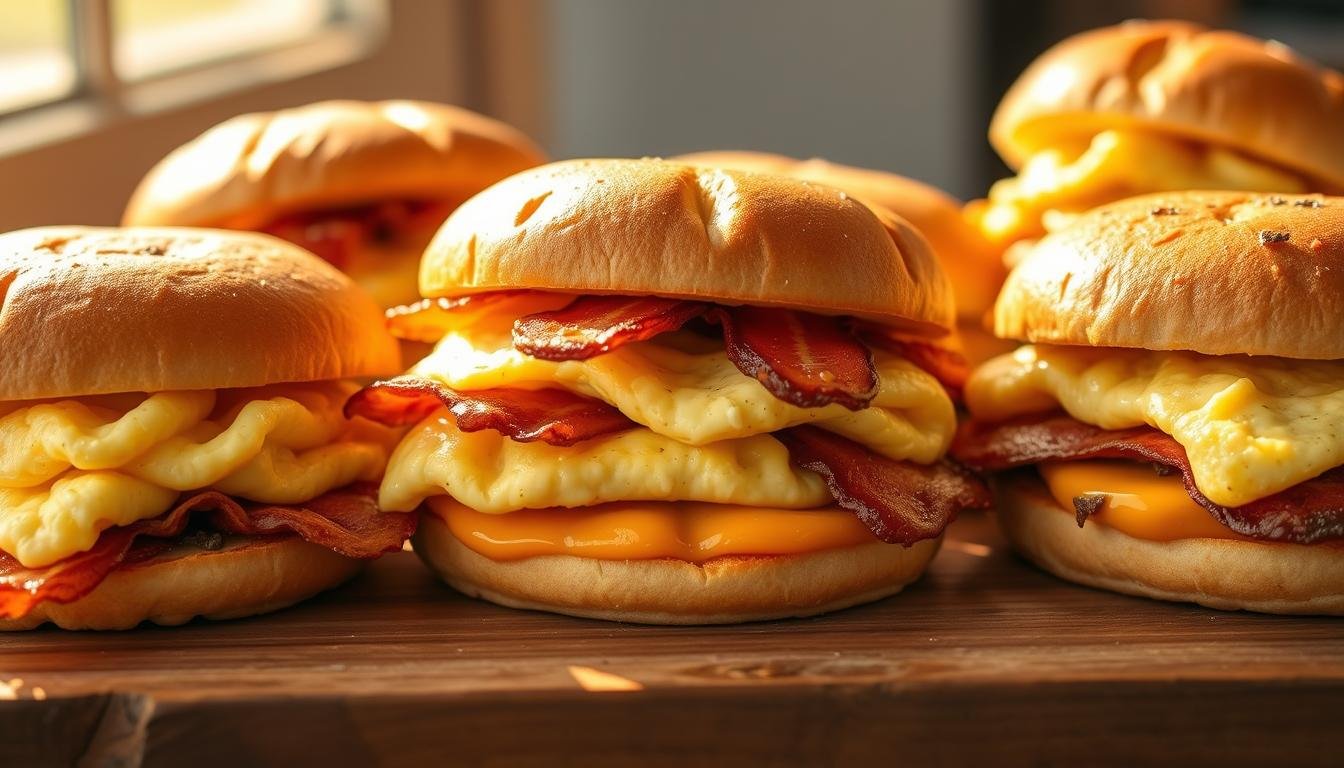
Egg pita sandwiches are great because they freeze well. I scramble two eggs with butter, add shredded cheddar, and put it in a whole-wheat pita. I add spinach leaves too. To assemble, I toast the pita first and cool the filling slightly. Then, I wrap it in parchment before freezing.
Bagel breakfasts are indulgent but affordable. A plain or everything bagel with low-fat cream cheese, smoked salmon, and cucumber is perfect. I spread the cheese the night before and add the fish and veg in the morning.
Freezing and reheating make quick breakfasts reliable. I layer sandwiches in parchment and foil, label them, and reheat in a toaster oven or microwave. A 90-second microwave blast followed by 3–5 minutes in a toaster oven crisps the bread and warms the center.
To keep meals affordable, I change bread types and fillings. Whole-wheat English muffins, bagels, and pita halves work well with eggs, tuna, or hummus. Buying store-brand bread and bulk eggs at Trader Joe’s or Walmart saves money without sacrificing quality.
Here’s a compact comparison to help plan prep and choose the best option for a given morning.
| Option | Prep Time | Freezes Well? | Best Reheat Method | Cost per Serving |
|---|---|---|---|---|
| Egg pita sandwich | 10–15 minutes | Yes | Microwave 90s, toaster oven 3–5 mins | $1.20–$1.80 |
| Bagel with smoked salmon & veg | 5–7 minutes | No (assemble fresh) | Not applicable | $2.50–$3.50 |
| Ham and cheese sandwich | 8–12 minutes | Yes | Microwave 60–90s, finish in toaster oven | $1.00–$1.75 |
| Peanut butter banana toast | 3–4 minutes | No | Toast fresh | $0.60–$1.00 |
Simple hot breakfasts: microwave oatmeal and quick scrambles
I keep mornings simple with hot breakfasts that fit dorm life and tight budgets. A warm bowl can wake you up faster than coffee. I use minimal cookware, rely on the microwave, and choose ingredients that stretch across meals.
Microwave oatmeal recipe and topping suggestions for variety
I make microwave oatmeal with 1/2 cup old-fashioned oats and 1 cup water in a microwave-safe bowl. I cook at 50% power for 4 minutes, stir, then microwave another 4 minutes. This gives a creamy texture without overflowing.
I finish with simple toppings: a pat of butter, a sprinkle of brown sugar, sliced banana, frozen berries, or raisins. For protein I stir in Greek yogurt or a scoop of peanut butter. These tweaks keep microwave oatmeal from getting boring while staying part of affordable breakfast meals.
Fast scrambled eggs and ham/cheese omelette shortcut techniques
For quick scrambled eggs I whisk two eggs with a tablespoon of milk, salt, and pepper in a bowl. I microwave on high for 30 seconds, stir, then heat 20-second bursts until set. I add frozen spinach or diced peppers from a freezer bag to bulk the meal.
For a ham and cheese omelette I fold diced deli ham and shredded cheddar into the eggs before cooking. I fold the cooked egg over the filling or make a quick stovetop flip if a hot plate is available. These fast breakfast ideas for students save time and taste like a diner order.
How to keep hot breakfasts calorie- and cost-efficient
I cut calories and costs by using lean proteins and adding vegetables for volume. Egg whites or lean turkey ham lower fat while spinach, mushrooms, and tomatoes add nutrients without many calories.
I batch-cook baked eggs or casseroles on Sundays, freeze portions, and reheat for quick breakfasts for college students during the week. Stretching ingredients across meals turns simple recipes into affordable breakfast meals that keep me full through morning classes.
| Meal | Prep Time | Cost per Serving | Key Benefits |
|---|---|---|---|
| Microwave oatmeal (base) | 8 minutes | $0.40 | Quick, filling, versatile toppings |
| Oatmeal + peanut butter & banana | 9 minutes | $0.85 | Extra protein and long-lasting energy |
| Microwave scrambled eggs | 2–3 minutes | $0.60 | Fast protein, minimal cleanup |
| Ham & cheese omelette | 5 minutes | $1.25 | Hearty, portable, satisfies hungry mornings |
| Baked egg casserole (batch) | 40 minutes (makes 6) | $0.90 | Meal-prep friendly, freezes well |
Budget-friendly shopping and meal-prep strategies for students
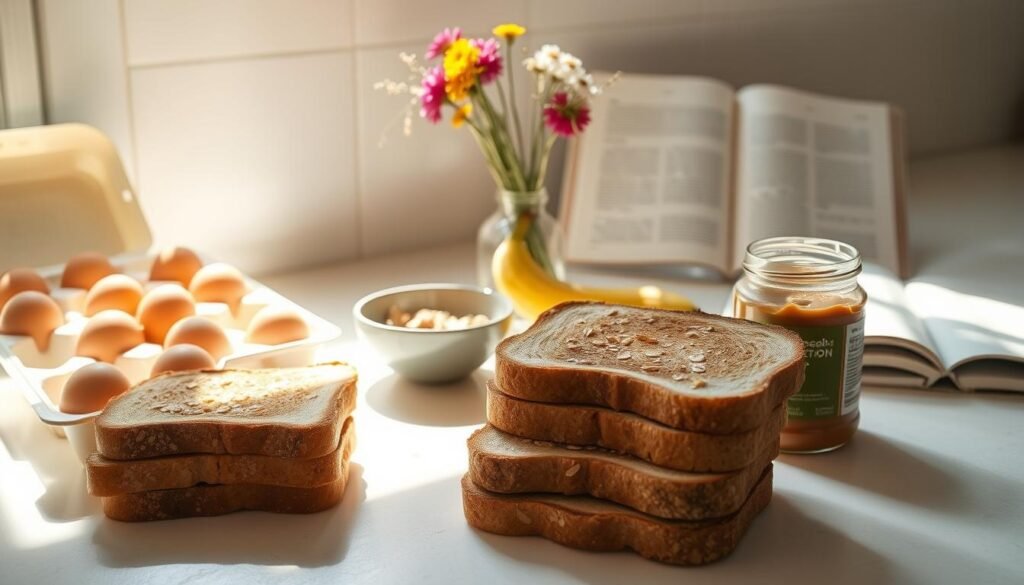
I keep a list of staples that save money and speed up mornings. Oats, eggs, frozen fruit, Greek yogurt, peanut butter, whole-grain bread, and canned beans are key. They help me make affordable breakfasts.
I buy store brands at Walmart or Trader Joe’s. I also watch sales at Kroger. Student discounts and campus co-ops help me save. I choose items that last long and fit small spaces.
Affordable staples to keep on hand
I focus on shelf-stable and frozen items for quick breakfasts. Rolled oats cook fast or become overnight oats. Eggs boil in bulk for snacks and sandwiches.
Frozen berries add to smoothies without going bad. Greek yogurt adds protein and goes well with granola for quick meals.
Weekly meal-prep schedule I use to save time and money
On Sunday, I make overnight oats jars, bake egg muffins, and prepare smoothie packs. Midweek, I reheat egg muffins or make yogurt bowls. This saves food and time.
I plan three breakfast types: oatmeal jars, egg-based items, and smoothies. Each takes under an hour to prepare and makes multiple servings.
Storage, portioning, and repurposing leftovers across meals
I store food in BPA-free containers and label them. For small fridges, I stack jars and use a bin for egg muffins. I freeze banana bread slices for quick breakfasts.
Leftover roasted veggies become omelet fillings or sandwich toppers. Plain yogurt turns into a savory dip or sweet parfait. These simple changes make a few ingredients into many affordable breakfasts.
Nutrition tips to build balanced, energizing breakfasts
I make mornings better with simple changes and routines. A good breakfast helps me study and work out. I share easy tips for students to fit into their busy lives.
I always start with a protein-packed meal. Eggs, Greek yogurt, and nut butter are great with whole grains or fruit. This combo keeps me full and focused all morning.
I add fiber from oats and fruit to my meals. Fiber helps me stay alert and digest food well. Healthy fats like avocado and nuts make meals complete and reduce sugar cravings.
I choose whole foods over processed ones. I pick plain Greek yogurt and make my own oat bars. These choices are quick and nutritious for students.
I make smart smoothies with whole fruit and protein. This turns a drink into a filling breakfast that’s easy to take on the go.
I plan my meals for busy days. I eat more during long lectures and less when I’m in a rush. This keeps me energized and focused.
When I can, I prep the night before. I make hard-boiled eggs and overnight oats. Insulated containers keep my food warm or cold, making mornings easier.
| Goal | Fast option | Why it works |
|---|---|---|
| High protein | Greek yogurt with nuts | Provides 15–20 g protein, satiety, and easy portability |
| Fiber boost | Overnight oats with berries and chia | Slow-release energy and digestive support for long classes |
| Healthy fats | Avocado toast with egg | Combines monounsaturated fats with protein for steady focus |
| Grab-and-go | Homemade oat-nut bars | Customizable sugar levels, portable, and budget-friendly |
| Warm option | Microwave scrambled eggs with spinach | Quick hot meal, low cost, and easy to reheat in an insulated jar |
Conclusion
Breakfast is vital: it gives you energy, focus, and helps you do well in school. I eat simple meals like egg sandwiches, microwave oatmeal, and hard-boiled eggs. These keep me going without spending too much.
Make-ahead meals save time and keep things interesting. I make overnight oats, egg muffins, and frozen smoothie packs. This way, I can try different breakfasts all week. Adding fruit, nuts, seeds, or Greek yogurt makes meals better with little effort.
I also use campus resources and blogs for dorm cooking tips. Batch cooking, trying new toppings, and having frozen foods ready make breakfast a daily habit. It helps me stay focused and have a better day. Start small and plan ahead for big benefits.
FAQ
What stops students from eating breakfast and how can they fix it?
Most students skip breakfast because of time pressure, late nights, or not feeling hungry in the morning. The fix? Prep the night before, keep simple grab-and-go options ready, and aim for small portions if a big breakfast feels overwhelming.
What qualifies as a “quick” student breakfast?
A quick breakfast is anything that takes under 5 minutes to prepare and can be eaten on the go. Examples include overnight oats, smoothies, Greek yogurt bowls, or peanut butter on whole-grain toast.
How do I balance speed with nutrition so I stay full longer?
Pair protein (eggs, yogurt, nuts) with complex carbs (oats, whole-grain bread, fruit) and healthy fats (avocado, nut butter). This combination digests slowly, keeping you full through long classes.
Why are overnight oats good for campus life?
They’re cheap, portable, and ready when you wake up. You can make several jars at once, and they last 3–4 days in the fridge—perfect for busy mornings.
What’s a basic overnight oats recipe with protein and toppings?
Mix ½ cup oats, ½ cup milk (or almond milk), 2 tbsp Greek yogurt, and 1 tbsp chia seeds. Add fruit, nut butter, or a scoop of protein powder for extra fuel. Refrigerate overnight.
How can I vary overnight oats to avoid “oat burnout”?
Change flavors weekly—try cinnamon-apple, peanut butter-banana, berry-almond, or chocolate-protein oats. Swapping toppings and spices keeps it exciting.
What if my avocado isn’t ripe—any quick alternatives?
If your avocado is hard, swap it with hummus, nut butter, or cottage cheese on toast. All are creamy, quick, and filling replacements.
What grab-and-go breakfasts are easiest for short mornings?
Hard-boiled eggs, bananas with peanut butter, protein bars, trail mix, or yogurt cups are all student-friendly options you can literally grab on your way out.
How do I batch-cook hard-boiled eggs for the week?
Boil 6–12 eggs at once, cool them, and store them in the fridge (shells on) for up to 7 days. Pair with fruit or toast for a 2-minute breakfast.
How can I make Greek yogurt bowls portable and satisfying?
Use a mason jar or small container. Layer yogurt, berries, and granola. Keep granola in a separate bag to add just before eating so it stays crunchy.
What’s a simple homemade granola bar or energy ball recipe for students?
Mix oats, peanut butter, honey, and chocolate chips. Shape into bars or balls, refrigerate for an hour, and store in the fridge for up to a week.
How do I assemble heartier sandwiches like egg pitas quickly?
Use pre-cooked or microwaved scrambled eggs, add cheese, and stuff into a pita or wrap. Add spinach or salsa for extra flavor and nutrients.
What balance should I aim for with bagels and sandwiches?
Choose whole-grain bagels or bread, and balance with protein like eggs, turkey, or nut butter. This prevents a carb-heavy meal that leaves you hungry quickly.
Can I freeze sandwiches or quick breads for weekday breakfasts?
Yes. Wrap sandwiches tightly in foil or plastic and freeze. Reheat in a microwave or toaster oven. Banana bread, muffins, and wraps also freeze well.
What’s a microwave oatmeal method that tastes good?
Combine ½ cup oats, 1 cup milk or water, and fruit in a microwave-safe bowl. Cook for 2–3 minutes, stir, and top with nut butter or seeds.
How do I make quick scrambled eggs or a ham and cheese omelette faster?
Whisk eggs with milk in a mug, microwave for 1–2 minutes, stirring halfway. Add cheese, ham, or veggies for an instant omelette-in-a-mug.
How can I keep hot breakfasts calorie- and cost-efficient?
Use budget staples like oats, eggs, and beans. Batch cook and portion meals to save money. Season with herbs and spices instead of pricey sauces.
What affordable staples should students keep on hand?
Oats, eggs, peanut butter, rice, canned beans, frozen veggies, yogurt, and bananas. These are versatile, cheap, and form the base of many meals.
What weekly meal-prep schedule saves time and money?
Set aside 1–2 hours on Sunday to prep: boil eggs, make overnight oats, chop veggies, and bake muffins or granola bars. This prevents costly last-minute food runs.
How do I store and repurpose leftovers across meals?
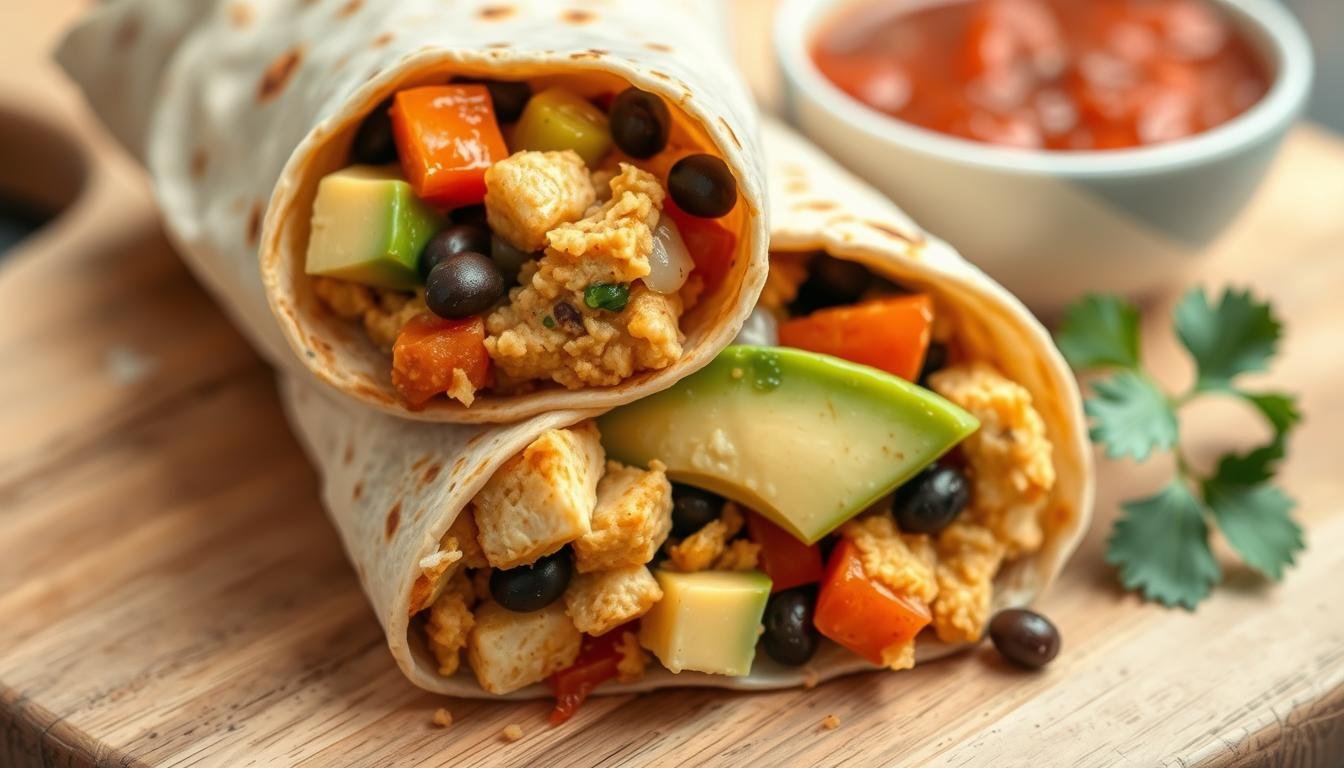
Keep cooked grains, proteins, and veggies in containers. Use them for breakfast burritos, omelettes, or grain bowls. Leftovers save both time and money.
How do I build balanced, energizing breakfasts each morning?
Use the 3-part formula: protein + complex carb + healthy fat. Example: scrambled eggs (protein) + whole-wheat toast (carb) + avocado (fat).
What smart swaps reduce sugar and processed ingredients?
Choose plain yogurt instead of flavored, whole fruit instead of juice, and oats instead of sugary cereal. Small swaps reduce sugar crashes and improve energy.
How should I time and portion breakfasts for long lectures or active days?
Eat a protein-rich meal 1–2 hours before class or workouts. For extra-long mornings, pack a second snack like a protein bar or fruit with nuts to keep energy steady.