
Starting your day with gestational diabetes can be tough. You might want pancakes but worry about your blood sugar. Up to 10% of pregnancies face this challenge, making every meal choice important.
Good news: your breakfast can be tasty and keep your blood sugar stable. It’s not just about what you want to eat. It’s about giving you and your baby the energy you need.
The American Diabetes Association says to keep your blood sugar under 140 mg/dL after meals. Our 10 recipes aim for this goal. They mix smart carbs, protein, and yummy flavors.
I made these 10 breakfast ideas for gestational diabetes recipes for busy mornings. They’re quick, taking 15 minutes or less to make. Try egg muffins or almond flour waffles for a balanced and tasty start.
Key Notes;
- Pairing complex carbs with protein helps maintain steady glucose levels
- ADA guidelines recommend staying below 140 mg/dL after meals
- Quick-prep recipes accommodate busy mornings
- Variety prevents food boredom while meeting dietary needs
- Portion control is as important as what you choose to eat
- Always talk to your healthcare provider before changing your diet
Understanding Gestational Diabetes Nutrition
Managing gestational diabetes means balancing carbs, protein, and fats. This balance keeps your blood sugar stable and feeds you and your baby. Let’s explore how each part works together.
Carbohydrate Management: 30-45g per Meal
Not all carbs are the same. The American Diabetes Association suggests eating complex carbs with low glycemic index (GI) scores. These carbs digest slowly, avoiding sudden sugar spikes. Here’s a quick guide:
- Slow carbs (GI Steel-cut oats, quinoa, sweet potatoes
- Fast carbs (GI >70): White bread, sugary cereals, instant oatmeal
Try for 30-45g total carbs at breakfast. Mix them with protein and fat for better control. For example, a 30g carb breakfast with eggs and avocado keeps glucose levels steady. This is better than carb-heavy meals.
Protein Power: 15-20g per Breakfast
Protein helps keep blood sugar stable. I aim for protein-rich meals with:
- 2 eggs (12g protein)
- 1 cup Greek yogurt (20g protein)
- 1/2 cup cottage cheese (14g protein)
Research shows 15-20g protein at breakfast keeps energy up until lunch. It also cuts down on cravings for sugary snacks later.
Healthy Fats for Sustained Energy
Fats slow digestion, giving you energy slowly. Focus on:
- Avocado (heart-healthy monounsaturated fats)
- Walnuts (omega-3 fatty acids)
- Chia seeds (fiber-fat combo)
One tablespoon of peanut butter on whole-grain toast adds fat and protein. This combo meets many nutritional needs at once.
Fiber’s Crucial Role (5-10g Target)
Fiber is your secret weapon. It slows sugar absorption by forming a gel-like barrier in your gut. Source 2’s breakfast salad with kale, berries, and flaxseed has 8g fiber. Try these high-fiber swaps:
| Regular Choice | Fiber Boost | Added Fiber |
|---|---|---|
| White toast | Whole-grain bread | +3g |
| Apple juice | Whole apple | +4.5g |
| Instant oatmeal | Steel-cut oats | +2g |
By combining these strategies, you’ll make meals that satisfy hunger and keep glucose levels stable. Always test new combinations with your glucose monitor to find what works best for your body.
Quick Fix Breakfast Ideas for Gestational Diabetes
Mornings with gestational diabetes don’t have to be rushed. I’ve found three diabetic-friendly breakfast ideas. They are quick, nutritious, and taste great. These recipes help keep your blood sugar stable, even when you’re in a hurry.
1. Greek Yogurt Bowl with Berries & Walnuts
Begin with ¾ cup plain Greek yogurt. It has 20g of protein per 100g for steady energy. Add ½ cup mixed berries and 1 tbsp crushed walnuts on top. Pro tip: Keep nuts in snack bags for easy mornings.
| Prep Time | Key Nutrients | Microwave Hack |
|---|---|---|
| 3 minutes | 22g protein | Thaw frozen berries in 30-second bursts |
| 8g fiber |
2. Overnight Chia Pudding with Almond Milk
Mix 3 tbsp chia seeds with 1 cup unsweetened almond milk before bed. By morning, it’s a pudding. Add cinnamon and sliced almonds for crunch. Time-saver: Make 3 jars on Sunday for the week.
3. Cottage Cheese & Pear Power Plate
Combine ½ cup low-fat cottage cheese with ¼ sliced pear and 1 tsp flaxseed. It has 15g protein and 6g fiber. Game-changer: Store cottage cheese cups in the fridge for quick meals.
“Eating the same breakfast every morning helps keep your blood sugar stable during pregnancy.”
| Recipe | Carbs (g) | Prep Advantage |
|---|---|---|
| Greek Yogurt Bowl | 18 | No cooking required |
| Chia Pudding | 12 | Make-ahead friendly |
| Cottage Cheese Plate | 15 | Under 2-minute assembly |
Savory Morning Meals
Savory breakfasts are great for managing gestational diabetes. They taste good and keep blood sugar levels steady. These meals are full of protein, fiber, and whole grains. This mix gives you energy all morning.
4. Spinach-Feta Egg White Omelet
This omelet is packed with 18g of protein and only 5g of carbs. Mix ½ cup egg whites, 1 cup fresh spinach, and 1oz reduced-fat feta. Cook until the edges are set, then fold it in half.
Pro tip: Add diced mushrooms for extra fiber. Serve with ½ cup roasted sweet potatoes (15g carbs) for balanced nutrition.
5. Avocado Toast on Sprouted Grain Bread
Start with one slice of sprouted grain bread (15g carbs). Top it with ¼ mashed avocado. Sprinkle everything bagel seasoning and add sliced radishes for crunch.
- Choose bread with 3g+ fiber per slice
- Add poached egg for 6g extra protein
- Drizzle with lemon juice to prevent browning
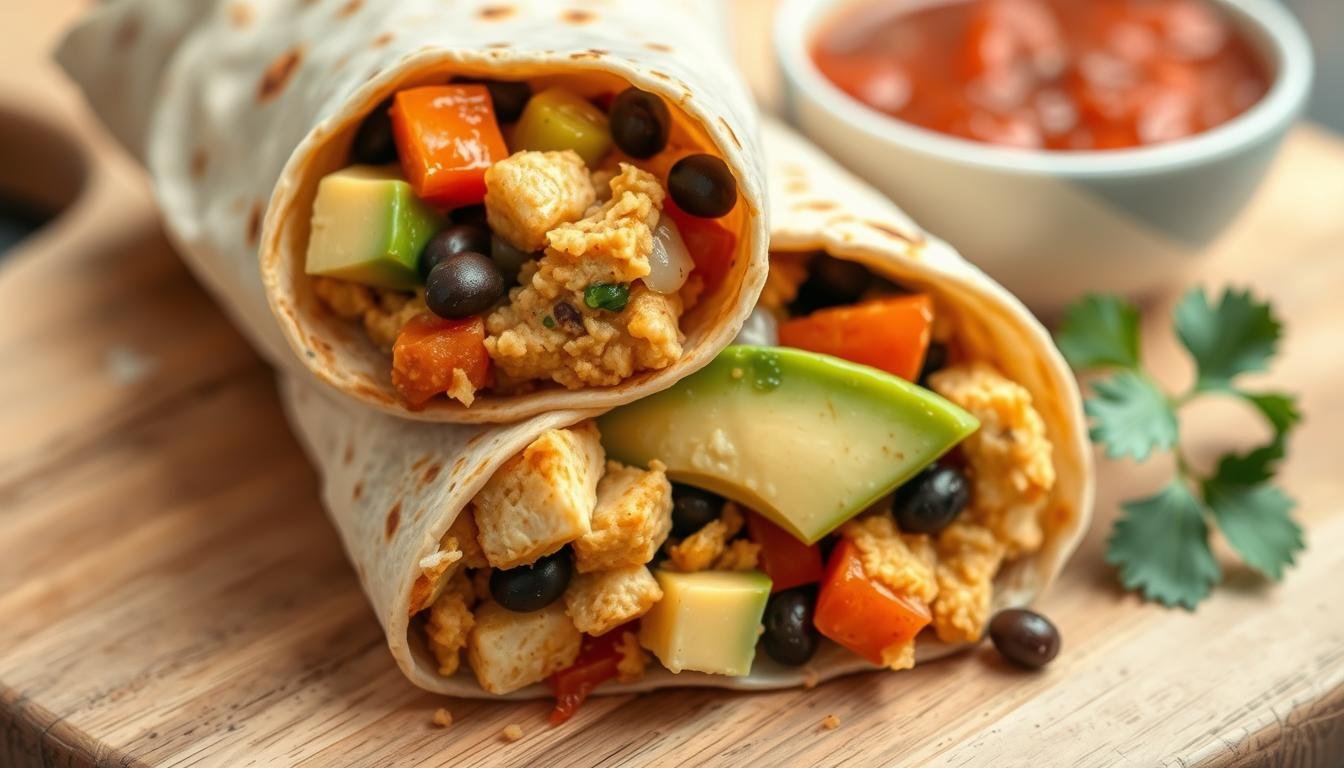
6. Turkey-Spinach Breakfast Wrap
Use 2oz low-sodium turkey breast and ½ cup baby spinach in a whole wheat tortilla. This meal is easy to take on the go.
| Nutrient | Amount | % Daily Need |
|---|---|---|
| Protein | 19g | 38% |
| Carbs | 24g | 8% |
| Fiber | 4g | 14% |
Warm the tortilla 10 seconds before filling to avoid tears.
7. Smoked Salmon & Cucumber Roll-Ups
For a cool morning meal, mix 2oz smoked salmon with cucumber ribbons. Roll it in lettuce leaves instead of crackers to cut carbs.
“Always choose pasteurized smoked salmon during pregnancy to eliminate listeria risks.”
Pair with ¼ cup cottage cheese (3g carbs) for extra calcium.
Sweet Pregnancy-Safe Treats
Managing gestational diabetes doesn’t mean giving up flavor. I’ve made morning treats that are sweet but keep blood sugar steady. These low glycemic breakfast ideas swap ingredients for comfort without the sugar rush.
8. Cinnamon-Peanut Butter Oatmeal
Steel-cut oats with cinnamon make a warm base. I add:
- 1 tbsp natural peanut butter (no added sugar)
- 1/4 cup mashed raspberries for natural sweetness
- A drizzle of stevia-sweetened vanilla almond milk
This mix has 7g fiber and 12g protein. Cinnamon might help insulin work better, studies say.
9. Almond Flour Protein Pancakes
Regular pancakes have 25g net carbs. These have just 5g. My batter includes:
- 1/2 cup almond flour
- 1 scoop vanilla whey protein isolate
- 1 egg + 1/4 cup unsweetened applesauce
Top with sugar-free maple syrup and walnuts. They have 18g protein to stop mid-morning drops.
| Ingredient | Traditional Pancakes | Almond Flour Version |
|---|---|---|
| Net Carbs | 25g | 5g |
| Protein | 4g | 18g |
| Fiber | 1g | 3g |
10. Chia-Berry Breakfast Parfait
Make this antioxidant-rich treat fast:
- 1/2 cup chia pudding (made with unsweetened coconut milk)
- 1/4 cup fresh blueberries
- 2 tbsp crushed pecans
- Dash of ground flaxseed
Chia seeds make you feel full and give omega-3s. Wild blueberries have more antioxidants than regular ones.
Meal Prep Strategies
Planning ahead makes breakfast easy for managing gestational diabetes. Spending 2 hours a week on meal prep helps. It makes sure meals are balanced and fits with pregnancy fatigue.
These three tips make mornings easier and keep blood sugar stable.
Batch-Cooking Egg Muffin Cups
Whisk 12 eggs with diced veggies. Bake in muffin tins at 375°F for 18 minutes. Store cooled cups in airtight containers for 5 days, or freeze for 3 months with parchment paper between layers.
This method keeps nutrients better than reheating each day.
Freezer-Friendly Smoothie Packs
Put together zip-top bags with:
- 1 cup frozen spinach
- ½ cup frozen berries
- 1 tbsp chia seeds
- 1 scoop unsweetened protein powder
Blend with 1 cup almond milk when you’re ready. Pro tip: Label packs with dates – they last 3 months. This option gives 15g protein and 8g fiber per serving.
Pre-Portioned Nut & Seed Mixes
Use a kitchen scale for 1oz snack bags (about 180 calories). My favorite mix:
- 10 almonds
- 8 walnut halves
- 1 tsp pumpkin seeds
- ¼ tsp cinnamon
These bags help avoid overeating and offer 5g protein and 3g fiber. Keep in a cool pantry for 2 weeks or freeze for 6 months.
Blood Sugar-Friendly Swaps
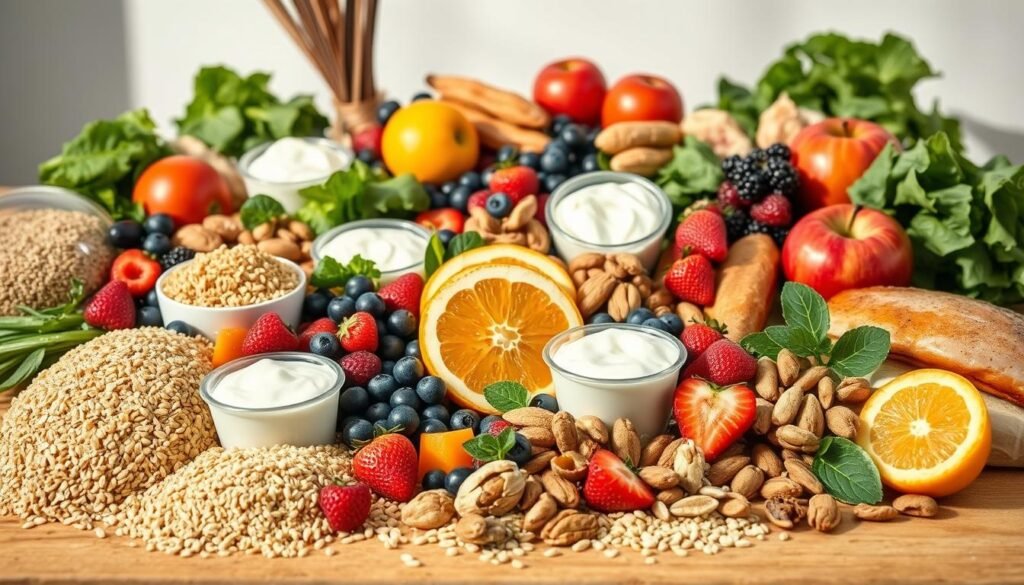
Changing small ingredients can make a big difference. It helps keep your blood sugar stable and meals full. I’ve found that using low-glycemic alternatives for breakfast is key. It keeps energy up without raising blood sugar too much. Let’s look at three kitchen-tested ways to add flavor and nutrition.
Cauliflower Hash Browns Recipe
Replace potatoes with riced cauliflower to cut carbs by 83%. Cauliflower has just 5g net carbs per cup, compared to 30g in potatoes. Here’s how I make it:
- Grate 2 cups raw cauliflower (or use pre-riced)
- Mix with 1 egg, ¼ cup almond flour, and garlic powder
- Pan-fry in olive oil until golden-brown
This crispy cauliflower is great with eggs or avocado. It has 4g of fiber per serving.
Stevia-Sweetened Baking Alternatives
When I want pancakes or muffins, I use stevia instead of sugar. Brands like SweetLeaf and Truvia taste great and don’t add calories. Replacing one cup of sugar with stevia saves:
| Ingredient | Calories Saved | Carb Reduction |
|---|---|---|
| White Sugar | 774 | 200g |
| Stevia Blend | 0 | 24g |
Whole Grain vs Refined Flour Comparison
Choosing the right flour is key for blood sugar control. Whole grain flours like spelt or oat flour offer:
- 2-3x more fiber than white flour
- Slower carbohydrate absorption
- Essential minerals like magnesium
For baking, I mix 50% almond flour + 50% whole wheat. It reduces glycemic impact while keeping the texture right.
Sample 7-Day Meal Plan
Having a meal plan makes mornings easier and keeps blood sugar steady. I’ve made a week-long plan. It mixes recipes from before with the right amounts and ways to stay hydrated.
Balanced Morning Combinations
Each breakfast has protein, complex carbs, and healthy fats. This meets the needs for gestational diabetes:
- Day 1: Spinach-Feta Egg White Omelet (2 eggs) + ½ avocado + 1 slice sprouted grain toast
- Day 2: Greek Yogurt Bowl (¾ cup) with ½ cup berries + 1 tbsp walnuts + cinnamon sprinkle
- Day 3: Turkey-Spinach Wrap with whole grain tortilla + ¼ cup diced bell peppers
- Day 4: Almond Flour Pancakes (2 small) + 1 tbsp peanut butter + ¼ cup raspberries
- Day 5: Cottage Cheese (½ cup) + 1 small pear + 1 tbsp chia seeds
- Day 6: Smoked Salmon Roll-Ups (3 pieces) + cucumber slices + lemon wedge
- Day 7: Cinnamon Oatmeal (½ cup dry oats) + 1 hard-boiled egg + ¼ cup almonds
Portion Control Guidelines
Use these tips to manage serving sizes without scales:
- Protein portions = deck of cards (3oz cooked meat/eggs)
- Healthy fats = 1-2 thumb-sized portions (nuts, avocado)
- Carbs = ½ baseball-sized serving (grains/fruit)
I always pair carb-heavy items like oatmeal with protein sources. This slows down glucose absorption.
Hydration Tips
Drink 80oz of fluids daily to help metabolism and reduce false hunger. Try these safe options:
- Infuse water with mint + 2 strawberry slices per 16oz bottle
- Sip decaf green tea with lemon between meals
- Add electrolyte drops to 1 glass of water post-breakfast
Don’t drink too much during meals to avoid bloating. Focus on hydration 30 minutes before or after eating.
Common Breakfast Mistakes to Avoid
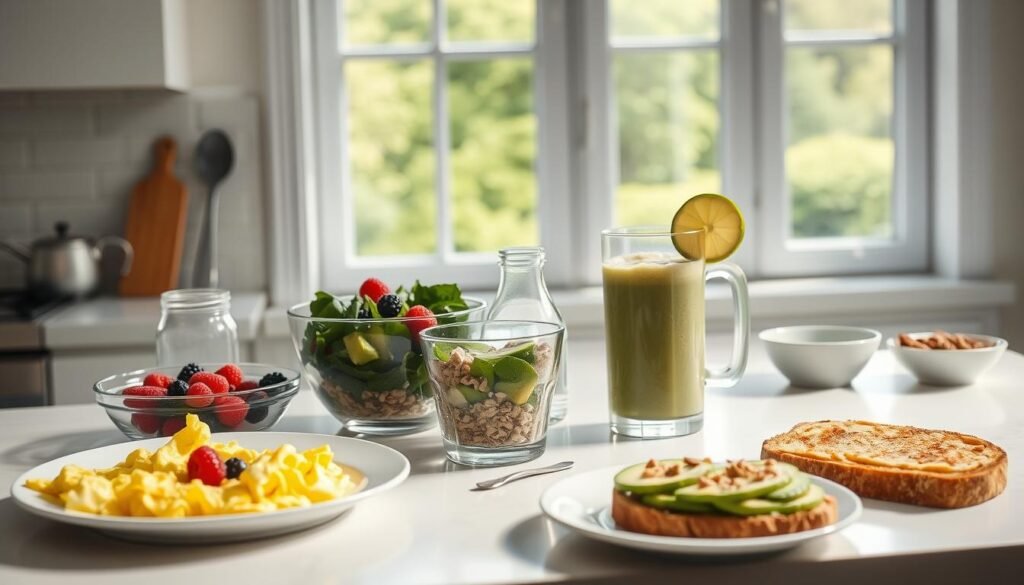
Managing gestational diabetes starts with breakfast. Many good choices can go wrong because of hidden sugars and processed foods. Let’s look at three breakfast mistakes and how to avoid them.
Juice Trap: Why Whole Fruit Wins
Orange juice might seem healthy, but 8oz has 26g of sugar. That’s almost double what’s in a whole orange. Fresh fruit has fiber that slows down blood sugar. Juice gives you a quick sugar spike.
Choose whole fruits like berries or apples. Save juice for special occasions.
| Option | Sugar Content | Fiber |
|---|---|---|
| 8oz Orange Juice | 26g | 0g |
| Medium Orange | 12g | 3g |
Granola Bar Sugar Shock
Many granola bars have more sugar than candy bars. I found some with 12g of added sugars per serving. That’s 24% of your daily sugar limit!
Look for bars with less than 5g of sugar. Here are some good options:
- KIND Protein Bars (4g sugar)
- RXBAR (5g natural sugars)
- DIY oat-nut clusters
Overdoing Artificial Sweeteners
Zero-calorie sweeteners like sucralose seem helpful. But, they might increase sugar cravings in some. A client felt hungrier after diet drinks. We fixed it by mixing stevia and real sugar in her oatmeal.
Use pregnancy-safe sweeteners like monk fruit or erythritol. Always talk to your dietitian about how much to use. What works at 20 weeks might change by week 30.
Exercise & Blood Sugar Monitoring
Managing gestational diabetes is more than just food. It’s about eating right and moving well. I’ve learned that exercising and checking blood sugar often helps keep glucose levels stable during pregnancy.
Post-Meal Walking Benefits
A 10-minute walk after breakfast can fight blood sugar spikes. Studies from the American Journal of Obstetrics & Gynecology show it lowers glucose by 12% in pregnant women. Here’s why it’s good:
- Muscles use glucose for energy during movement
- Improved insulin sensitivity lasts 24-48 hours
- Gentle activity aids digestion without overexertion
“Daily post-meal walking significantly improves glycemic control in gestational diabetes patients while supporting cardiovascular health.”
Testing Timing Strategies
Regular monitoring helps spot patterns and avoid surprises. Here’s a testing schedule for the best insights:
- Fasting: Check immediately upon waking (target: <95 mg/dL)
- Post-Meal: Test 1 hour after first bite (target: <140 mg/dL)
Keep a log to track how meals and activities affect your numbers. If you see highs after certain foods, adjust your portions. Pair carbs with protein and healthy fats.
Remember, every pregnancy is different. Work with your healthcare team to make these strategies fit you. Focus on healthy pregnancy nutrition and habits that support you and your baby.
When to Consult Your Dietitian

This guide gives meal ideas, but managing gestational diabetes needs a personal touch. Even the best breakfasts might need changes based on your body and pregnancy. Let’s look at times when getting expert advice is key.
Personalizing Your Plan
Your neighbor’s breakfast might not work for you. A dietitian looks at three important things:
- Morning glucose patterns
- Activity levels
- Food preferences
They might change carb ratios or suggest gestational diabetes-friendly foods you haven’t tried. The American Diabetes Association’s Find-A-Dietitian tool helps find specialists. They make plans that fit your life and culture.
Adjusting for Morning Sickness
When you’re feeling sick, eating anything is a win. Cold, plain foods often help during queasy mornings:
- Chilled chia pudding
- Protein smoothie packs
- Almond butter rice cakes
Dietitians can change your gestational diabetes-friendly foods list for easy-to-digest options. They might suggest eating smaller, more frequent meals. Or they might tell you when to take anti-nausea meds.
“Morning sickness adjustments require careful planning – we focus on preventing blood sugar drops while managing nausea.”
Your healthcare team wants you to do well. If meals aren’t working or symptoms get worse, ask for help. With the right support, you can handle this journey with confidence.
Conclusion: Nourishing Starts for Healthy Pregnancy
Managing gestational diabetes starts with carbs, proteins, and fiber. These three are key to keeping blood sugar stable. They also give your baby the nutrients they need.
Healthy breakfasts like chia puddings or egg muffins are great. They help you meet your daily needs without losing taste.
Every meal is important when you’re pregnant. Recipes like savory wraps or protein pancakes show you can eat well and stay healthy. Meal prep helps, like making egg cups or freezing smoothie packs.
Watch how foods affect your energy and blood sugar. Changing to sprouted bread or adding walnuts can help a lot. Always talk to your doctor about these changes.
Choosing healthy foods is good for you and your baby. With planning and creativity, breakfast can be a powerful tool for a healthy pregnancy. Try a new recipe tomorrow and see how it makes you feel.
Gestational Diabetes Breakfast FAQ
How does breakfast impact gestational diabetes management?
Breakfast is critical because morning blood sugar levels tend to spike more easily. Eating balanced, low-glycemic meals helps stabilize glucose throughout the day.
What’s your fastest low-glycemic breakfast solution?
A hard-boiled egg with half an avocado or Greek yogurt with chia seeds offers quick prep, protein, and fiber to control blood sugar.
Can I eat avocado toast with gestational diabetes?
Yes — choose whole grain or low-carb bread, pair with avocado, and add protein like a poached egg to balance carbs and fat.
Are there safe sweet breakfast options?
Yes — berries with plain Greek yogurt, chia pudding with cinnamon, or almond flour muffins can satisfy sweet cravings while keeping sugars low.
How do you handle morning sickness with GD dietary needs?
Try small, frequent snacks like whole grain crackers with cheese or a smoothie with spinach and protein powder. Bland but balanced foods can ease nausea.
What’s your top freezer-friendly breakfast hack?
Egg muffins with vegetables and cheese, or almond flour pancakes portioned and frozen, are quick to reheat and GD-friendly.
How much water should I drink with GD breakfasts?
Aim for at least one glass (8 oz) with breakfast and continue hydration through the day. Water helps regulate blood sugar and digestion.
What exercise complements these breakfasts best?
A 10–15 minute post-meal walk is highly effective in lowering blood glucose after breakfast. Light stretching or yoga can also help.
Are store-bought granola bars ever safe for GD breakfasts?
Most are too high in sugar, but you can find low-carb or protein-based bars with under 10g net carbs. Always check labels carefully.
When should I consult a dietitian about my GD meal plan?
If you struggle with frequent high readings, weight management, or balancing meals, a registered dietitian can create a personalized plan.