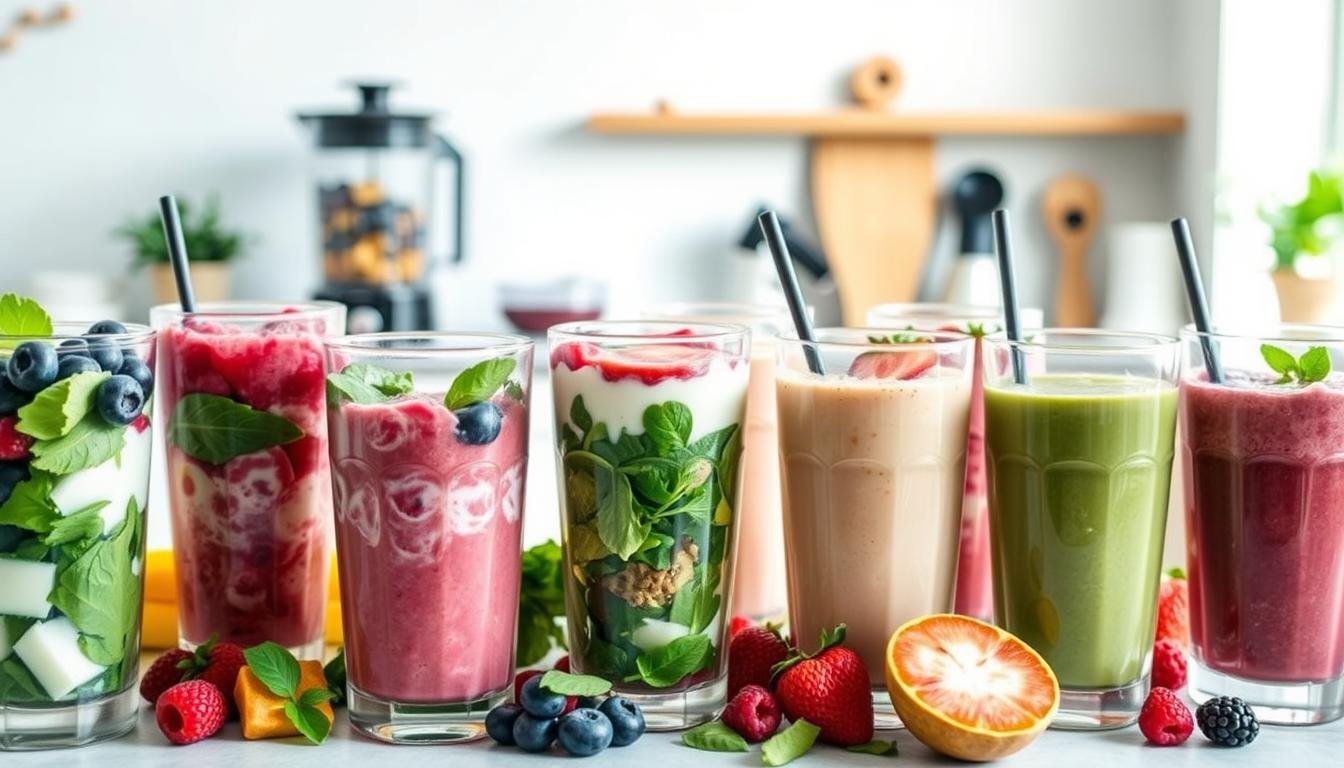
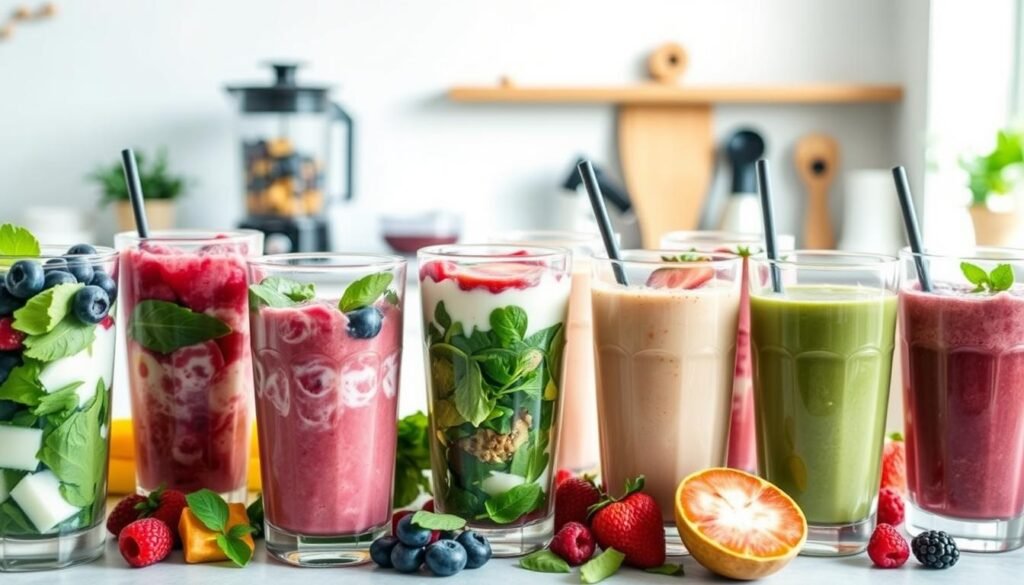
I make a smoothie in the morning to go on the run. It’s a time saver, it keeps me full and it provides sustained energy. When I began trying to lose weight, I wanted something that was easy yet healthy — and smoothies were it.
I found that I could keep my blends simpler, and the more simple they were, the more effective. I try to make sure I have protein and fiber in it, also healthy fat so that I’m not starving too soon. I also don’t put in any additional sugar; My smoothies are light but hearty that way.
If you are looking for on the go breakfast that aids in weight loss, these smoothies could be of great help. They’re simple to make, taste nice and help sustain your energy as you work through the morning.
Why I Choose Low-Calorie Smoothies for Breakfast
I start my day with a simple habit. I drink a low-calorie smoothie that has protein, fiber, and water-rich fruits. This habit helps me stay on track and gives me energy for work or a workout.
Benefits for weight loss and sustained energy
Smoothies can help with weight loss if they have the right mix of calories and nutrients. I look for recipes with less than 375 kcal, at least 6 grams of fiber, and a good protein source. This mix helps me feel full and avoid snacking too soon.
Smoothies like coconut kale or avocado-spinach blends give me steady energy. They have protein and fiber, which helps control hunger and stick to my calorie goal.
Nutrition convenience on busy mornings
I love convenience without giving up on nutrition. I prepare frozen-fruit packs and measured portions of spinach, oats, or protein powder. This saves time and keeps me from buying high-calorie smoothies.
These drinks are easy to customize. I can swap Greek yogurt for kefir or pea protein based on my needs. This makes it easy to keep up with a healthy routine.
How smoothies help with hydration and satiety
Smoothies are more than just calories. Using coconut water, almond milk, or water-rich fruits adds hydration without extra sugar. This helps me feel energized and aids digestion.
I mix hydrating bases with fiber from oats, chia, or greens. This combo improves how full I feel and reduces the urge for sweet snacks. For me, smoothies are a great way to start the day feeling hydrated and satisfied.
| Goal | Typical Target | Why it matters |
|---|---|---|
| Calories per serving | Under ~375 kcal | Keeps overall daily intake manageable while providing energy for the morning |
| Protein | 10–20 g | Supports muscle retention and prolongs fullness |
| Fiber | ≥6 g | Improves satiety and steadies blood sugar |
| Hydration | Water or coconut water base | Boosts fluid intake without added sugars |
| Practical tip | Make-ahead freezer packs | Saves time and prevents impulse buys of high-calorie options |
10 Best Low-Calorie Breakfast Smoothies I Recommend (recipes & nutrition)
1. Strawberry Banana Smoothie
Calories: ~180
Ingredients:
- 1/2 banana
- 1 cup strawberries
- 1/2 cup Greek yogurt
- 1 cup almond milk
Why I like it:
It’s quick, creamy, and perfect for busy mornings.
Preparation Guide:
To make this smoothie, I start by adding half a banana and one cup of fresh or frozen strawberries into my blender. Then I add half a cup of Greek yogurt for protein and pour in one cup of almond milk. I blend everything for about 30 to 45 seconds until it becomes smooth and creamy. If I want it colder, I sometimes add a few ice cubes. It’s a quick and refreshing option for busy mornings.
2. Green Energy Smoothie
Calories: ~200
Ingredients:
- Spinach
- 1/2 apple
- 1/2 banana
- Almond milk
Why I like it:
Light but full of vitamins.
Preparation Guide:
For this smoothie, I add a handful of fresh spinach to my blender first. Then I include half an apple (chopped) and half a banana for natural sweetness. After that, I pour in one cup of almond milk and blend everything until the texture is smooth with no leafy bits left. This drink feels light but still gives me a good energy boost.
3. Oats & Berry Smoothie
Calories: ~250
Ingredients:
- 1/4 cup oats
- Mixed berries
- 1 cup almond milk
- 1 tbsp chia seeds
Why I like it:
Keeps me full for a long time.
Preparation Guide:
I begin by adding a quarter cup of oats to the blender, followed by one cup of mixed berries. Then I add one tablespoon of chia seeds for extra fiber and pour in one cup of almond milk. I blend until the mixture becomes thick and creamy. Sometimes, I let the oats soak for a few minutes before blending to make the texture even smoother.
4. Peanut Butter Protein Smoothie
Calories: ~300
Ingredients:
- 1 tbsp peanut butter
- 1 scoop protein powder
- Banana
- Almond milk
Why I like it:
Great after workouts.
Preparation Guide:
To prepare this smoothie, I add half a banana to the blender along with one tablespoon of peanut butter. Then I add one scoop of protein powder and pour in one cup of almond milk. After blending until smooth, I get a rich and filling smoothie that works great after a workout or on a long morning.
5. Avocado Spinach Smoothie
Calories: ~260
Ingredients:
- 1/4 avocado
- Spinach
- Berries
- Almond milk
Why I like it:
Very filling and creamy.
Preparation Guide:
I make this smoothie by adding one-quarter of an avocado and a handful of spinach into the blender. Then I add half a cup of berries for flavor and pour in one cup of almond milk. I blend everything until it becomes creamy and smooth. The avocado gives it a thick texture and helps keep me full for longer.
6. Pineapple Green Smoothie
Calories: ~190
Ingredients:
- Pineapple
- Spinach
- Coconut water
- Chia seeds
Why I like it:
Refreshing and light.
Preparation Guide:
For this refreshing drink, I add one cup of pineapple chunks into the blender along with a handful of spinach. Then I mix in one tablespoon of chia seeds and pour in one cup of coconut water. After blending well, the result is a light and hydrating smoothie that feels perfect on warm mornings.
7. Blueberry Protein Smoothie
Calories: ~280
Ingredients:
- Blueberries
- Protein powder
- Almond milk
- Flaxseed
Why I like it:
Good for energy and recovery.
Preparation Guide:
To make this smoothie, I add one cup of blueberries to the blender. Then I include one scoop of protein powder and one tablespoon of flaxseed. I pour in one cup of almond milk and blend until smooth. Using frozen blueberries makes the smoothie thicker and colder, which I really enjoy.
8. Banana Oat Breakfast Smoothie
Calories: ~300
Ingredients:
- Banana
- Oats
- Milk
- Cinnamon
Why I like it:
Feels like a full meal.
Preparation Guide:
I prepare this smoothie by adding one whole banana and a quarter cup of oats into the blender. Then I add a small pinch of cinnamon for flavor and pour in one cup of milk. After blending until creamy, it turns into a filling breakfast that keeps me satisfied for hours.
9. Mango Yogurt Smoothie
Calories: ~220
Ingredients:
- Mango
- Greek yogurt
- Almond milk
Why I like it:
Sweet without added sugar.
Preparation Guide:
For this smoothie, I add one cup of mango pieces into the blender along with half a cup of Greek yogurt. Then I pour in one cup of almond milk and blend until smooth. When I use frozen mango, the smoothie becomes extra thick and feels almost like a dessert.
10. Matcha Fat-Burn Smoothie
Calories: ~150
Ingredients:
- Matcha powder
- Almond milk
- Banana
- Spinach
Why I like it:
Gives a clean energy boost.
Preparation Guide:
To make this smoothie, I add half a banana and a small amount of matcha powder (about half a teaspoon) into the blender. Then I include a handful of spinach and pour in one cup of almond milk. After blending well, I get a smooth drink with a light energy boost. I make sure not to add too much matcha so it doesn’t taste bitter.
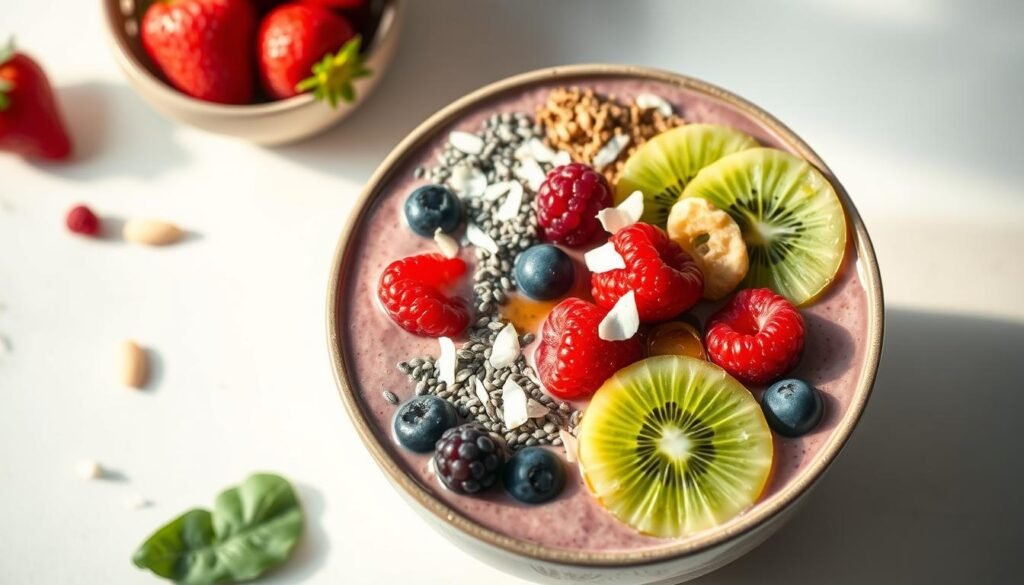
My Top Criteria for Choosing Low-Calorie Smoothie Recipes
I look for recipes that are filling, packed with nutrients, and simple to make. I choose low-calorie breakfast options that keep me full until lunch. This rule guides all the recipes I try and suggest.
Calories per serving target and why (under ~375 kcal)
I aim for smoothies with 180 to 320 kcal most days. Recipes in this range are light yet satisfying. For bigger meals, I go up to ~375 kcal.
For example, a Strawberry Banana smoothie has about 185 kcal. A Spiced Blueberry smoothie has around 325 kcal. A Coconut Matcha smoothie has 123 kcal. These numbers help me plan my day’s calories.
Minimum fiber and protein thresholds I look for
I aim for at least 6 g fiber and 8–15 g protein per serving. This mix helps me feel full and supports muscle health when I exercise.
To meet these goals, I add Greek yogurt, low-fat cottage cheese, and pea protein. I also use oats and frozen fruit for fiber. These ingredients make my smoothies balanced and reliable meals.
Minimizing added sugars and maximizing whole-food ingredients
I avoid recipes with syrups, flavored yogurts, or fruit juices. I prefer whole fruits, frozen fruit, and a little natural sweetener when needed. This keeps my smoothies tasty and low in sugar.
I also add ingredients like turmeric, beets, and fresh pineapple for extra nutrients. These choices help me make smoothies that are healthy and flavorful, not just empty calories.
| Criterion | Target Range | Common Ingredients I Use |
|---|---|---|
| Calories per serving | ~180–320 kcal (up to 375 kcal if meal replacement) | Unsweetened almond milk, water, 1/2 banana, mixed berries |
| Protein | 8–15 g (aim for 12 g) | Greek yogurt, whey or pea protein, silken tofu |
| Fiber | ≥6 g | Oats, chia seeds, flaxseed, frozen fruit |
| Added sugar | Minimal — prefer none | Whole fruit, cinnamon, vanilla extract, small honey if needed |
| Functional boosts | Optional | Turmeric, ginger, beet powder, spinach, kale |
low-calorie breakfast smoothies for weight loss
I make sure each smoothie fits my weight-loss goals. I aim for 150 to 300 kcal. I also want 8–20 g of protein and at least 4–10 g of fiber.
I use less full-fat coconut milk and limit nut butter. This keeps calories low while keeping taste and texture good.
How I tailor these smoothies for weight loss goals
I pick a protein base like Greek yogurt, whey, or pea protein. I use one scoop to meet my protein needs. I add fiber from oats, chia, or frozen berries for fullness.
I use spices like cinnamon for flavor without extra calories. I track each recipe in a spreadsheet or app. This helps me adjust ingredients to stay within my calorie budget.
Fat-burning breakfast smoothies vs. meal-replacement smoothies
Fat-burning smoothies are lighter and focus on metabolism. I add green tea, matcha, ginger, or turmeric. These are great for lower-calorie days.
Meal replacement smoothies are thicker and fill you up until lunch. I add oats, a bit of nut butter, or extra protein. I aim for under ~375 kcal to control hunger.
Portion control and calorie counting strategies I use
I measure ingredients with spoons and a kitchen scale. I prep freezer packs with exact portions to avoid extra calories. I log each smoothie to check against my daily goals.
When adjusting recipes, I make small changes. For example, using 1/4 cup oats instead of 1/2. These small tweaks help me stay on track with my weight-loss plan.
| Type | Typical Calories | Protein | Fiber | Key Ingredients |
|---|---|---|---|---|
| Fat-burning breakfast smoothies | 150–250 kcal | 8–15 g | 4–8 g | Matcha, green tea, ginger, spinach, protein powder |
| Light meal replacement smoothies | 250–375 kcal | 12–20 g | 6–12 g | Greek yogurt, oats, banana, nut butter (small), protein |
| Low-calorie breakfast smoothies for weight loss (daily use) | 150–300 kcal | 8–20 g | 4–10+ g | Frozen berries, chia, unsweetened almond milk, greens |
Comparing Protein-Rich, Fiber-Packed, and Green Smoothies for Different Fitness Goals
I choose smoothies based on my fitness goals for the day. After working out, I go for smoothies that help my muscles. For busy mornings, I pick ones that keep me full longer.
On easy days, I prefer smoothies that are low in sugar but full of nutrients.
When I choose a high-protein smoothie
I pick high-protein smoothies for weight loss after strength training. Recipes like Spiced Blueberry with pea protein or Peanut Butter & Jelly Protein Smoothie are great. They give me the amino acids I need to recover.
I use Greek yogurt, kefir, or clean whey or pea powder for 20–30 grams of protein. This makes my smoothies feel like a meal, not just a snack.
When I prioritize fiber
I choose fiber-packed smoothies when I need to control my appetite. Blends with oats, chia, flax, and whole berries slow down digestion. They also cut down on late-morning cravings.
Smoothies like Berry, Chia, and Mint or Tropical Chia give me 7–8 grams of fiber. They help keep my blood sugar stable and keep me full between meals.
When I pick green smoothies
I go for green smoothies when I want lots of nutrients and less sugar. I use greens like spinach or kale with a bit of pineapple or apple. This keeps the flavor good without too many carbs.
For lighter days, I add silken tofu, hemp protein, or soy powder to boost protein. Green smoothies are full of vitamins, minerals, and fiber. They have less sugar than fruit-based ones.
Calorie Counts, Macros, and Health Benefits I Track for Each Smoothie
I use a simple system to compare smoothie calorie counts. I look at protein and fiber content. I also note ingredients that help with digestion or metabolism.
Calorie ranges vary from light blends at 84–130 kcal to meal-like smoothies at 250–380 kcal. For example, the Vanilla Protein Frosty has about 84 kcal and 8 g protein. The Banana Berry Smoothie has 380 kcal, 19 g protein, and 12 g fiber.
The Spiced Blueberry smoothie has 325 kcal, 22 g protein, and 10 g fiber. I track these numbers to pick the right smoothie for the day.
I focus on health benefits when making smoothies. Fiber and probiotics from kefir or Greek yogurt aid digestion. Green tea, matcha, turmeric, and berries boost antioxidants and metabolism.
Reducing added sugars in homemade smoothies is key. This helps in making weight-loss smoothies that are tasty and effective.
To log macros, I use apps like MyFitnessPal and Cronometer. I aim for 15–25 g protein and at least 6 g fiber for breakfast. If a recipe lacks protein or fiber, I add Greek yogurt, protein powder, or chia seeds.
To cut calories, I swap coconut milk or heavy nut butter for unsweetened almond milk or a small amount of nut butter. This keeps the smoothie filling without going over calorie goals.
Below is a comparison of macronutrient splits and calorie targets for my favorite smoothies.
| Recipe | Calories (kcal) | Protein (g) | Fiber (g) | Key Health Notes |
|---|---|---|---|---|
| Vanilla Protein Frosty | ~84 | 8 | 2 | Low-calorie option, quick protein boost |
| Banana Berry Smoothie | ~380 | 19 | 12 | Meal-like, high fiber for satiety |
| Spiced Blueberry | ~325 | 22 | 10 | Protein-rich, antioxidant-packed |
| Green Pineapple Coconut (light) | ~150–210 | 6–10 | 4–7 | Micronutrient-dense, low sugar when unsweetened |
I review my smoothie logs weekly to refine my recipes. Tracking helps me keep calories in check while preserving nutrients. This balance is key for weight-loss smoothies.
Smoothie Prep Tips and Time-Saving Strategies I Use
I make mornings easy to help with weight loss. Small steps save time and calories. I use measured portions, smart swaps, and blending tricks for tasty, healthy shakes.
Make-ahead freezer packs with measured portions
I put fruit, greens, and add-ins in single-serve bags. Each bag has oats, berries, banana, and spinach. On busy days, I just blend one bag with liquid and protein.
Using frozen fruit and veggies to reduce added sweeteners and calories
Frozen berries and pineapple add flavor without ice. I choose frozen fruit over syrups. Cauliflower thickens without extra calories. For chia seed recipes, I prep them in the fridge or freeze for later.
Blender tips for creamy texture without excess calories
I blend greens with almond milk first, then add frozen packs. This avoids leafy chunks. For a smooth texture, I use a high-speed blender with silken tofu or avocado. A little banana or almond butter adds creaminess without extra calories.
Practical swaps and small upgrades I use
I use unsweetened almond milk instead of heavy cream. Greek yogurt or protein powder adds thickness and protein. For flavor, I add cinnamon, vanilla, or lemon instead of sugar.
Quick assembly workflow I follow
- Night before: assemble 3–5 freezer packs for the week.
- Morning: blend liquid + greens first for 10–15 seconds.
- Add frozen pack, protein, and blend until smooth.
- Adjust texture with a splash of water instead of ice.
This routine makes mornings quick and consistent. I enjoy tasty, healthy, low-calorie breakfasts that boost my energy and help me reach my goals.
Storage, Serving, and Safety Advice I Follow
I keep things simple to keep my low-calorie breakfast drinks fresh and safe. Smoothies taste best when made fresh. But, having a routine makes mornings easier. Here’s how I store and serve my smoothies, and how I handle dairy and perishables.
How long prepared smoothies keep in the fridge and freezer
I drink most smoothies within 8–12 hours for the best taste and nutrients. If I need to, I keep them up to 24 hours. For longer storage, I freeze portions. Frozen fruit and greens last 3–6 months, but I always check for off-flavors.
Best containers for on-the-go smoothies and reheating notes
I use airtight, BPA-free bottles or insulated stainless steel mugs for smoothies on the go. These keep the texture right and prevent oxidation. I don’t reheat smoothies with yogurt or kefir because heat changes the texture and kills the probiotics. If a recipe needs warm ingredients, I cool them down before blending.
Food safety with dairy and perishable add-ins
I use pasteurized Greek yogurt, kefir, and milk for dairy. I drink refrigerated smoothies with dairy within 24 hours for safety. For plant-based options, I thaw only what I need and label everything strictly. This way, I can enjoy my smoothies safely.
| Storage Method | Typical Shelf Life | When I Use It |
|---|---|---|
| Refrigerated, airtight bottle | 8–24 hours | Daily prep for morning commute or same-day use |
| Frozen measured packs (fruit/greens) | 3–6 months (label dates) | Batch prepping multiple breakfasts or low-calorie breakfast drinks prep |
| Insulated stainless travel mug | N/A (keeps cold or cool longer) | Long commutes or outdoor workouts with meal replacement smoothies |
| Blended then frozen as smoothie pops | 2–3 months | Make-ahead snacks that double as low-calorie treats |
Vegan and Dairy-Free Variations I Recommend
I make my breakfasts plant-based and dairy-free. This way, they stay creamy and packed with protein. These tips are great for vegan smoothies and those who prefer dairy-free options.
I replace whey with pea, soy, hemp, or cooked red lentils for more protein. Pea protein or half a cup of silken tofu adds the right texture. Hemp seeds bring omega-3s and a nutty taste.
For creaminess, I use avocado, silken tofu, light coconut milk, or unsweetened soy milk. Avocado adds richness with fiber and healthy fats. Light coconut milk brings a tropical flavor without too many calories. I choose unsweetened brands like Silk and Califia to avoid added sugars.
To keep calories low, I measure my ingredients carefully. One scoop of plant protein, one tablespoon of chia or flax, and a quarter to half cup of frozen banana are my go-to. Red lentils blend well when cooked and cooled. They boost protein and fiber without raising sugar levels.
Here are some quick mix-and-match options for low-calorie smoothies that are filling and tasty.
- Protein base: pea protein powder or silken tofu + 1 tbsp hemp seeds
- Liquid: unsweetened soy milk or unsweetened almond milk
- Fiber & creaminess: 1/4 cup frozen banana + 1 tbsp chia
- Greens & flavor: handful of spinach + lemon zest or frozen berries
- Optional boost: 2–3 tbsp cooked red lentils for extra protein
I create recipes that meet my calorie goals and training needs. These dairy-free and vegan smoothies make mornings easy. I stick to precise measurements to ensure my smoothies are reliable and consistent.
Conclusion
I’ve shown that low-calorie breakfast smoothies can give you energy and nutrition without too many calories. Recipes like Coconut Kale and Avocado-Spinach are under ~375 kcal. They also have protein and fiber to help control hunger and keep you going in the morning.
Experts say to make simple swaps to cut down on sugar and feel full longer. Using unsweetened almond milk, frozen fruit, chia, oats, and a little protein powder helps. This way, you can make a tasty and healthy breakfast at home.
Make your smoothies fit your goals. Go for protein after working out, fiber for longer fullness, and greens for nutrients. Use freezer packs, portion control, and track your macros. This will help you get the most from your morning smoothie.