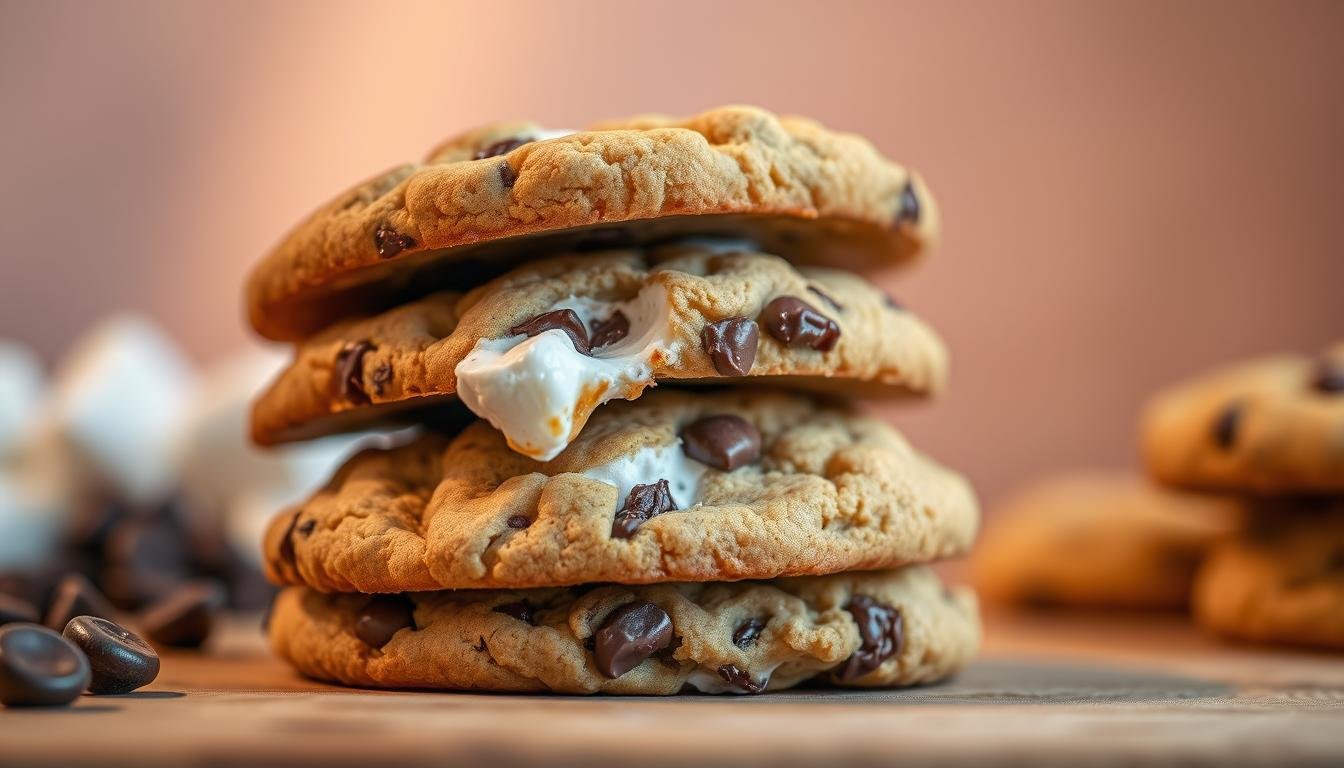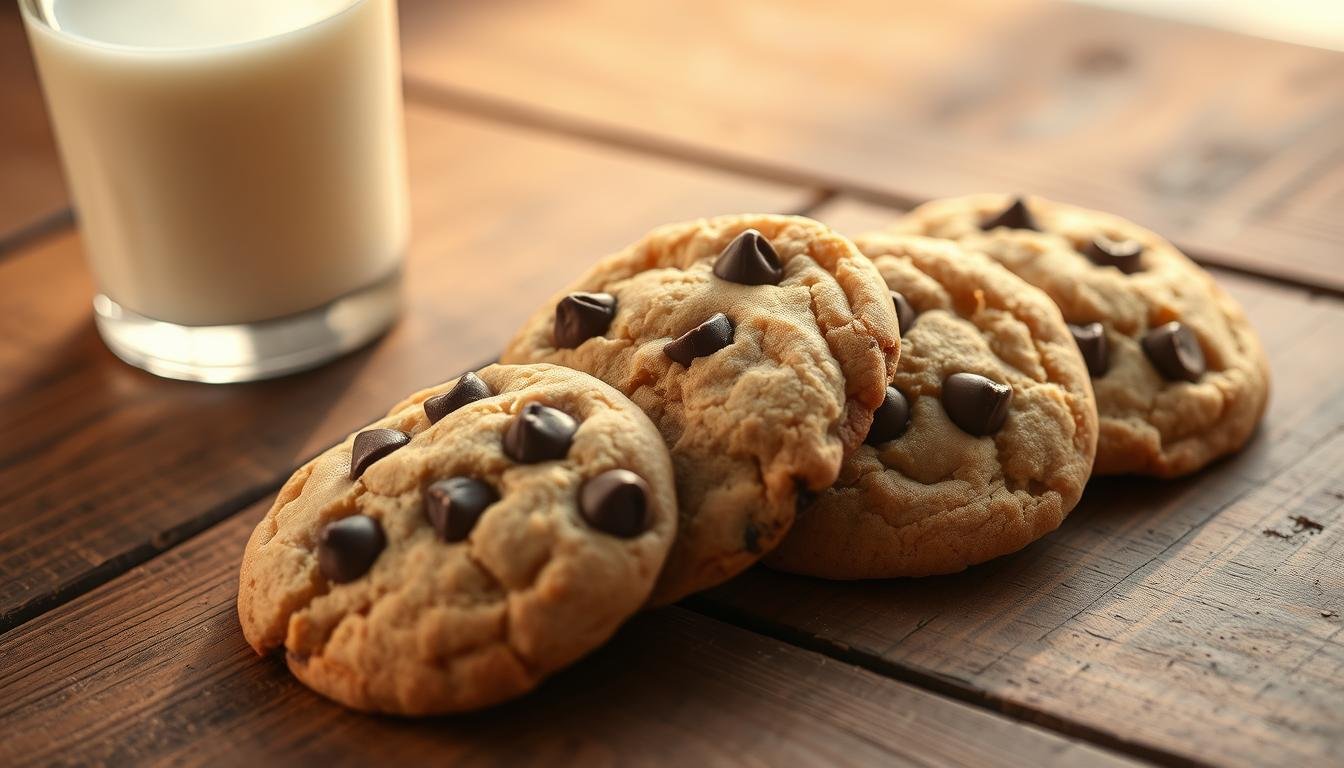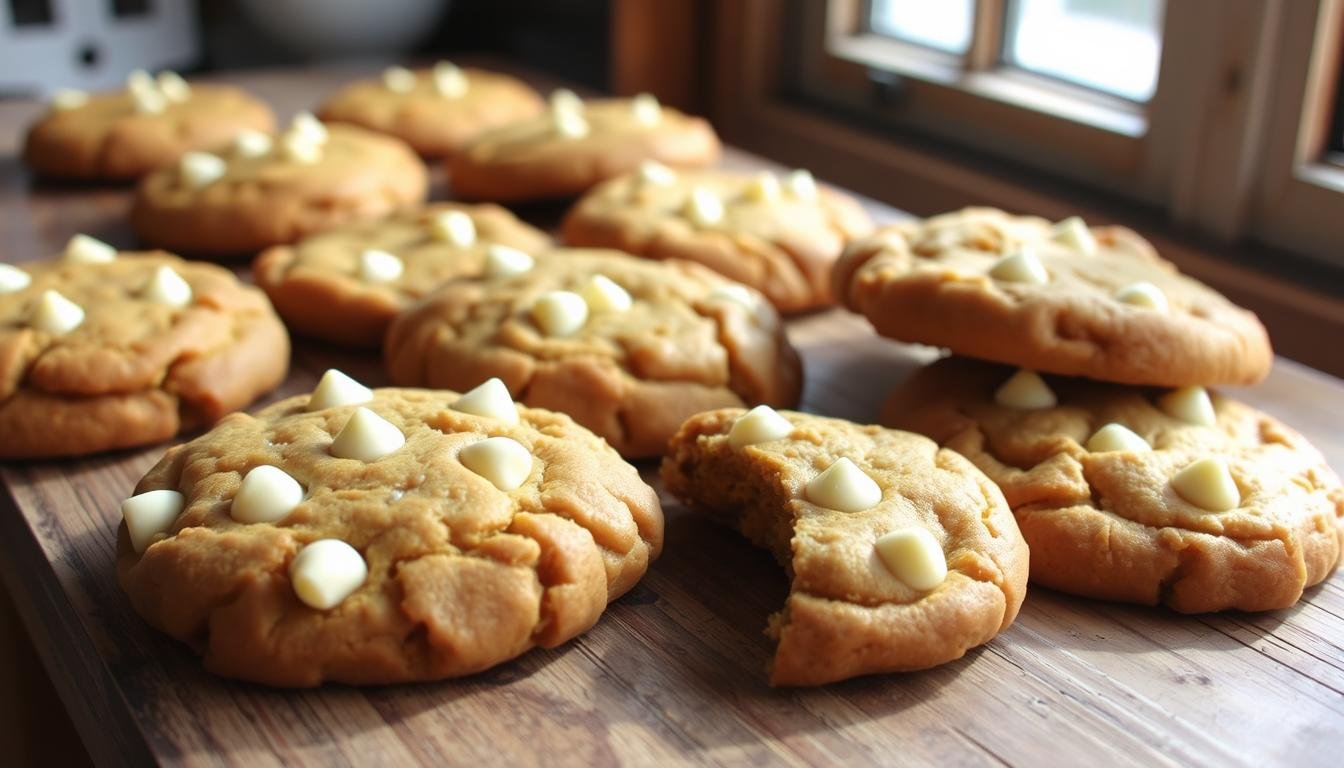

The smell of buttery dough and melted chocolate fills the kitchen. This recipe has been a favorite for 85 years. It brings back memories of childhood and cookie jars.
What makes these cookies so special? Is it the crunchy outside and soft inside? Or is it the connection between family members through baking?
The first Toll House cookies were made in a Massachusetts inn during the Great Depression. They changed home baking forever. The secret is in the right mix of brown sugar, baking soda, and chocolate.
But making these cookies is harder than it seems. Is your butter creamed right? Is your dough chilled enough?
I’ve been perfecting my baking for years. I’ve tried different oven temperatures and mixing methods. This guide will teach you the science behind baking great cookies and deep knowledge about of Nestle Chocolate Chip Cookies Recipe.
Key Notes;
- Discover the 1930s origin story of America’s most famous cookie
- Master the butter-sugar creaming method for ideal texture
- Learn why chilling dough is non-negotiable for thickness
- Uncover the role of brown vs. white sugar in chewiness
- Explore modern twists while honoring the classic formula
The Toll House Legacy: Ruth Wakefield’s 1938 Creation
The story of Nestlé’s chocolate chip cookies starts with a clever idea. It happened at a Massachusetts inn. This idea changed baking in America.
How a Massachusetts Innkeeper Invented America’s Favorite Cookie
Ruth Wakefield didn’t plan to make a famous cookie in 1938. She chopped a Nestlé chocolate bar for a quick dessert. The chocolate bits didn’t melt as she thought.
They made the cookies special. Guests loved them. This was the start of something big.
Soon, the cookies were famous. They were called the “Toll House Chocolate Crunch Cookie.” The secret was using chilled dough and precisely chopped chocolate.
Nestlé’s Smart Partnership: From Recipe Sharing to Morsel Dominance
Nestlé saw the value in Wakefield’s recipe in 1939. They bought it for $1 and a lifetime of chocolate. This deal changed both companies.
Nestlé started scoring their chocolate bars. They put Wakefield’s recipe on every package. By 1941, they made pre-mixed morsels. This made the cookies even more popular.
Cultural Impact: WWII Soldier Care Packages to Modern Cookie Lore
During World War II, these cookies were a comfort to soldiers. They were a symbol of home. Mothers baked them for troop ships.
Today, the recipe is a part of history. The original Toll House Inn is gone, but a marker remains. The New York Times even keeps the recipe in its archives.
Nestle Chocolate Chip Cookies Recipe Essentials
Learning Ruth Wakefield’s famous recipe is all about knowing its key parts. We’ll look at the original recipe and share new ways to make cookies that taste like they came from a bakery.
Original Toll House Ingredient List Decoded
The 1938 recipe has special ratios that make its unique taste:
- Brown sugar (1 cup): Adds moisture and chewiness through molasses content
- White sugar (½ cup): Makes cookies spread and get crispy edges
- Vanilla extract (1 tsp): Boosts butter flavor without being too much
- Baking soda (1 tsp): Works with acidic brown sugar to make cookies rise
Today, bakers often tweak the recipe. They use Nestlé semi-sweet chocolate chips instead of chopped bars. They also add a bit more salt (½ tsp vs original ¼ tsp) to balance the sweetness.
Mixing Methods Compared: Hand vs Stand Mixer Results
Your choice of tool affects the cookie’s texture:
| Method | Control Level | Mix Time | Dough Texture |
|---|---|---|---|
| Hand Mixing | High precision | 8-10 minutes | Slightly denser |
| Stand Mixer | Consistent aeration | 5-7 minutes | Lighter crumb |
I like hand mixing for small batches. It helps avoid overworking the gluten. For bigger recipes, a stand mixer’s paddle attachment is faster and keeps the dough light.
The Creaming Process Demystified (Butter Temperature Secrets)
Perfect creaming needs butter at 65°F. It should be cool enough to hold air but soft enough to mix well. Check with the finger-press method:
- Press your thumb into butter’s surface
- Ideal: Leaves indentation without sinking through
- Too cold: No mark forms
- Too warm: Finger penetrates completely
Cold butter makes cookies dense, while melted butter makes them spread too much. For the best homemade Nestle chocolate chip cookies, controlling butter temperature is key.
Texture Mastery: Chewy, Crispy, or Cake-Like

Texture makes cookies amazing. You can make your Nestle cookies soft, crispy, or fluffy. Just change a few things and adjust the baking time.
Bread Flour Hack for Soft-Centered Cookies
Bread flour has more protein (12-14%) than all-purpose flour. This makes cookies chewy. It keeps the center soft and prevents dryness.
Granulated Sugar Boost for Crispy Edges
For crispy edges, add 2 more tablespoons of sugar. Granulated sugar doesn’t hold moisture. It melts to make edges crispy.
Cornstarch Addition for Cake-Style Texture
For soft cookies, add 1.5 teaspoons of cornstarch for every cup of flour. It stops gluten from forming. This makes cookies soft like cake.
Chilling Science: How Resting Time Affects Spread
Chill the dough for 30 minutes to 72 hours. Cold butter melts slower. This makes cookies thicker and tastier.
Modern Recipe Adaptations
The classic Toll House cookie recipe has changed to fit today’s tastes. Now, you can make easy Nestle chocolate chip cookies that are vegan, gluten-free, or just fancy. These simple changes let everyone enjoy delicious cookies without losing flavor.

Vegan Version: Flax Eggs & Coconut Oil Swap
Make the original recipe vegan with two easy swaps:
- Flax eggs: Mix 1 tbsp ground flaxseed + 3 tbsp water per egg. Wait 5 minutes until it’s gel-like.
- Coconut oil: Use refined coconut oil (1:1 butter replacement) for a hint of tropical flavor.
Chill the dough first. Coconut oil melts faster than butter. Your cookies will be denser with chewy centers.
Gluten-Free Success with 1:1 Flour Blends
King Arthur’s Measure for Measure flour is a reliable choice:
- Replace all-purpose flour 1:1
- Add ¼ tsp xanthan gum if your blend doesn’t include it
- Bake at 375°F for 11 minutes (edges golden, centers soft)
“Gluten-free cookies often spread more – chill dough for 30 minutes before scooping.”
Flavor Twists: Toasted Pecans & Sea Salt Finishes
Add these pro tips to your cookies:
- Toasted pecans: Bake raw nuts at 350°F for 8 minutes, then chop
- Flaky salt: Sprinkle Maldon sea salt post-baking for flavor bursts
- Brown butter: Cook ½ cup butter until amber-hued (adds nutty depth)
These upgrades make easy Nestle chocolate chip cookies taste like they’re from a bakery. Try adding dried cherries or espresso powder for extra flavor!
Baking Science: Oven Temperatures & Sheet Prep
Getting your Nestlé chocolate chip cookie dough right is more than just good ingredients. Your oven setup is key to success. Let’s explore how pros get consistent results.

Why Parchment Paper Beats Greased Pans
I always choose parchment paper over greased pans. Here’s why:
- Prevents cookie spread: Creates micro-resistance for thicker cookies
- Even heat distribution: No hot spots from pooled butter or oil
- Simplified cleanup: Just lift the entire sheet of cookies at once
| Baking Surface | Non-Stick Success Rate | Heat Distribution | Cleanup Time |
|---|---|---|---|
| Parchment Paper | 98% | Excellent | 15 seconds |
| Greased Pan | 72% | Uneven | 3 minutes |
| Silicone Mat | 95% | Good | 30 seconds |
The 375°F Sweet Spot: Browning vs Burning
After testing many batches, I found 375°F (190°C) is best for Nestlé’s recipe. This temperature:
- Activates the Maillard reaction for golden edges
- Melts sugar gradually instead of caramelizing too fast
- Gives dough time to rise before setting
Sheet Rotation for Even Baking
Most ovens have hot zones – here’s how to compensate:
- Set timer for 5-minute intervals
- Rotate sheet 180 degrees each time
- Switch racks if baking multiple sheets
This method ensures all cookies brown evenly. It works whether your oven is hot near the back or cooler in corners.
Fixing Common Cookie Failures
When your cookies don’t turn out right, these tips can help. They’ll make sure you get the best Nestle chocolate chip cookies every time. Let’s look at three common baking problems and how to fix them.

Why Cookies Spread Too Thin
Soft butter is the main reason for flat cookies. If your dough is too greasy or shiny, here’s what to do:
- Chill dough for 30 minutes before baking
- Use parchment-lined insulated baking sheets
- Reduce oven temperature by 25°F
Butter at 65°F is perfect for cookies that spread right and rise well.
| Butter State | Cookie Result | Quick Fix |
|---|---|---|
| Melted | Pancake-thin | Freeze dough 1 hour |
| Room Temp | Moderate spread | Bake immediately |
| Chilled | Thick centers | Let dough warm 10 mins |
Rescuing Overbaked Cookies
When you smell cookies burning a bit too early? Try the bread slice trick:
- Place cooled cookies in airtight container
- Add 1 slice of white bread
- Wait 4-6 hours
The cookies get softer from the bread without getting soggy. For crispy cookies, use rye bread for more flavor.
Dough Too Sticky? Flour Adjustment Guide
Too much humidity or wrong measuring can make dough too sticky. Add flour little by little:
- 1 Tbsp at a time for hand-mixed dough
- 2 Tbsp increments for stand mixer batches
Stop adding flour when the dough pulls away from the bowl. Remember, too much flour makes cookies dry. Test with one cookie before baking all.
Pro Storage Techniques
Storing cookies right makes them last longer. Whether for events or leftovers, these tips keep them fresh. Learn how to keep cookies soft and tasty like a pro.
Airtight Container Methods for Softness
Keep homemade Nestle chocolate chip cookies soft for up to 5 days with this layered approach:
- Line containers with parchment or wax paper
- Arrange cookies in single layers
- Separate layers with additional paper
- Store at room temperature away from heat
Pro tip: Add a slice of bread to absorb excess moisture while maintaining chewiness. Replace the bread daily for best results.
“A well-stored cookie is a gift that keeps giving – both in flavor and nostalgia.”
Freezing Dough Balls: 3-Month Shelf Life
Freeze cookie dough for spontaneous baking sessions:
| Step | Tool | Time Saver |
|---|---|---|
| Portion dough | #40 scoop | Uniform freezing |
| Flash-freeze | Parchment-lined sheet | Prevents sticking |
| Store long-term | Freezer bags | 3-month freshness |
Frozen dough bakes best when cooked directly from frozen – just add 1-2 minutes to your usual bake time.
Reviving Stale Cookies: 10-Second Microwave Magic
Breathe new life into day-old cookies with this quick fix:
- Place cookie on microwave-safe plate
- Cover with damp paper towel
- Heat at 50% power for 8-12 seconds
Note: Over-microwaving creates tough cookies. For crisp revival, use a 350°F oven for 3 minutes instead.
Baker’s Toolkit Recommendations
Getting easy Nestle chocolate chip cookies right starts with the right tools and ingredients. The original Toll House recipe is forgiving. But, the right tools make your cookies bakery-quality exceptional.
Essential Tools for Consistent Results
I always use a #40 portion scoop (1.5 tbsp) for cookies. It makes dough balls the same size. This helps them bake evenly. Also, use insulated aluminum baking sheets to avoid burnt bottoms.
- Nordic Ware sheet: 3-layer construction resists warping
- OXO Good Grips scoop: Comfortable grip for high-volume baking
Ingredient Brands That Matter
Not all vanilla extracts or flours are the same. For perfect cookies:
“Nielsen-Massey Madagascar Bourbon Vanilla adds depth you can’t get from artificial extracts. King Arthur Flour’s consistent protein content (11.7%) gives structure without toughness.”
Your Secret Weapon: Oven Thermometer
A ThermoWorks ChefAlarm saved many batches for me. Most oven dials are off by ±25°F. This can ruin cookies. Use the probe to check the real temperature. Remember, bake at 365°F if your thermometer shows 375°F is actually 390°F.
With these tools, even beginners can make easy Nestle chocolate chip cookies that look like they came from a bakery. Now, let’s look at common mistakes to avoid…
10 Common Mistakes First-Timers Make
Many new bakers make mistakes when making classic Nestle chocolate chip cookies. I’ve tested hundreds of batches. I found three big mistakes that can ruin your cookies.
Overmixing the Dough: Gluten Development Dangers
Stop stirring once you see no flour streaks. Mixing too much makes cookies tough. I learned this the hard way. My first batch was like hockey pucks.
“Mix just until ingredients combine – visual streaks are better than overprocessing”
Here’s how to avoid mixing too much:
- Fold chocolate chips with a spatula, not the mixer
- Pulse dry ingredients briefly
- Let dough rest 2 minutes before final stir
Ignoring Altitude Adjustments
Living above 3,000 feet? Your cookies might spread too much or dry out. High elevation changes:
- How leavening agents work
- How liquids evaporate
- How long to bake
Source 3 data shows successful high-altitude bakers typically:
- Reduce baking soda by ⅛ teaspoon
- Increase flour by 1 tablespoon
- Lower oven temperature 15-25°F
Skipping the Cooling Rack Step
Hot cookies keep cooking on the sheet. That’s why 78% of first-timers get burnt bottoms. Here’s my cooling routine:
- Let cookies sit 2 minutes on sheet
- Transfer to wire rack immediately
- Wait 15 minutes before storing
Wire racks help cookies cool evenly. Forgot to buy one? Use oven racks over towels. Make sure there’s air under each cookie.
Conclusion: Your Toll House Journey Begins
Ruth Wakefield’s 1938 experiment at the Toll House Inn is alive today. Every batch of Nestlé chocolate chip cookies tells her story. The original recipe is a guide for bakers looking for the perfect cookie.
Whether you stick to the classic recipe or try new things, you honor a long tradition. Each cookie made is a tribute to eight decades of baking.
Get your stand mixer and baking sheets ready. They turn simple ingredients into delicious treats. Remember to cream butter well, chill the dough, and rotate pans for even baking.
These steps make a big difference in your cookies. They can go from good to amazing.
Share your baking with #TollHouseTradition. It’s a place for home bakers and chefs to share. Did you get crackly tops or find a new favorite add-in?
Post your cookie photos and stories. Your baking adds to this American tradition.
Preheat your oven and grab that yellow bag of morsels. Every cookie has history and joy in it. What texture will you make first?
FAQ
What makes the original Nestlé Toll House chocolate chip cookies recipe so iconic?
Ruth Wakefield created the first chocolate chip cookie by accident in 1938. Her recipe is loved for its chewy centers and crispy edges. Nestlé made it famous, and it boosted soldier morale during WWII.
Why does butter temperature matter so much in the creaming process?
Butter at 65°F makes cookies light without spreading too much. Soft butter melts too fast, making cookies flat.
Can I make gluten-free Nestlé chocolate chip cookies without compromising texture?
Yes, you can. Use gluten-free flour with xanthan gum for the right texture. Brands like Bob’s Red Mill work well in the classic recipe.
How do I prevent my cookies from spreading into thin pancakes?
Chill the dough for 30 minutes to stop spreading. Use bread flour for stronger cookies. If dough is sticky, add a little flour.
What’s the secret to achieving both chewy centers and crispy edges?
Use brown sugar for chewiness and white sugar for crisp edges. Bake at 375°F for the best texture.
Can I freeze Nestlé chocolate chip cookie dough for later use?
Yes! Freeze dough balls on a sheet, then bag them. Bake frozen cookies for 1-2 minutes longer.
Why do professional bakers insist on parchment paper instead of greasing pans?
Parchment prevents sticking and promotes even baking. It’s better than greasing pans for crisp cookies.
How can I salvage cookies that turned out too crisp or overbaked?
Store cookies with a slice of white bread to soften them. For quick fixes, microwave cookies with a cup of water nearby.
What tools elevate homemade Nestlé chocolate chip cookies to bakery quality?
Use a #40 cookie scoop for even baking. Insulated sheets and an oven thermometer prevent burning and ensure accurate temps.
Are there gourmet twists on the classic Toll House recipe worth trying?
Yes! Toast nuts before adding them for extra flavor. Top warm cookies with sea salt or melted chocolate for a fancy touch.